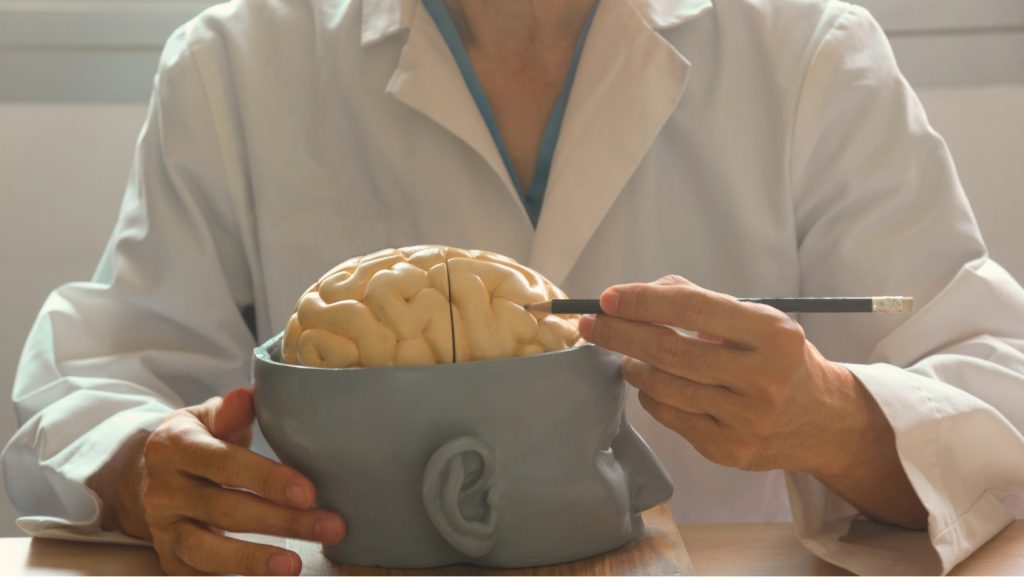
- Disadvantages of Donating Your Body to Science
- Introduction
- Lack of Funeral and Traditional Closure
- Uncertainty of How the Body Will Be Used
- Limited Respect in Certain Agendas
- Family and Emotional Struggles
- Emotional Burden on Families
- Restrictions on Eligibility
- Major Problems of Donating Your Body to Science
- Psychological Impact on Donor Before Death
- Potential for Package Miscommunication
- Practical Limitations and Risks
- Complications with Legal and Paperwork Processes
- Loss of Personal Autonomy After Death
- Delayed or Missing Sense of Legacy
- Risk of Program Closure or Policy Changes
- Financial Misunderstandings
- Delay in Receiving Remains
- Hidden Challenges in Body Donation
- Religious and Cultural Conflicts
- Ethical Concerns and Commercialization
- Lack of Family Control
- Geographic Limitations
- Privacy Issues
- Limited Contribution Compared to Expectations
- Potential Dangers of Donating Your Body to Science
- Potential for Family Disagreement
- Conclusion
- You Can Also Read
- FAQS
Disadvantages of Donating Your Body to Science
Introduction
Body donation has long been careful a worthy act, allowing medical schools and research institutions to fee science, train new doctors, and develop demeanors. In the United States, thousands of persons sign agreements with donation programs every year, hopeful to contribute to medical progress. Although the idea appears selfless, there are several ignored issues. The Disadvantages of Donating Your Body to Science deserve careful attention before a consequence is made. Many persons assume the process is simple, but in reality, it carries latent complications for givers and their relatives.
Lack of Funeral and Traditional Closure
One of the most significant Disadvantages of Donating Your Body to Science is the lack of an outdated service. In the U.S., services are not only educational but also deeply animated events that allow family members to grieve and find end. When a body is donated, there is often no instant funeral or burial. Families may have to wait months or even years before getting cremated remains, and in some cases, no remains are returned at all. This absence can leave loved ones harassed to process loss, creation mourning harder.
Uncertainty of How the Body Will Be Used
Another main concern lies in the doubt of usage. Donors rarely control how their physique will be used afterward death. The Disadvantages of Donating Your Body to Science include the detail that a body strength be used for drill drives somewhat than radical research. In some cases, remains are dissected for basic anatomy classes, and parts may even be shared across institutions. Families often feel painful knowing they cannot choose the type of research supported. The lack of transparency can make body donation less attractive in the United States, where individual choice is highly appreciated.
Limited Respect in Certain Agendas
Although many medical organizations treat donations with dignity, not every package maintains high ethical standards. One of the underrated Disadvantages of Donating Your Body to Science is the possible mishandling of remains. News reports in the U.S. have exposed instances of bodies being mistreated or stored indecorously. While these cases are rare, the idea that a donor’s final wish could result in rude treatment causes notable concern among families.
Family and Emotional Struggles
The Disadvantages of Donating Your Body to Science are not imperfect to logistics; families often face deep emotional trials. Some of the most common scraps include:
- No direct funeral service: Families cannot hold a outdated ceremony, which delays closure.
- Emotive stress: Loved ones may feel uneasy about not taking the body for final goodbyes.
- Family discrepancies: Not everyone may care the decision, causing conflict during grief.
- Long waiting period: Ashes, if returned, often take months or even years, ranging mourning.
These issues right affect how families cope with death. In the U.S., where funeral traditions are a strong part of culture, such obstacles make body donation emotionally difficult.
Emotional Burden on Families
Family members often knowledge guilt or discomfort after understanding the donor’s body is no longer bodily present. The Disadvantages of Donating Your Body to Science range beyond logistics and enter emotional land. In American culture, where commemorative services play an important role, the absence of a body for viewing or burial can be emotionally distressing. Some relatives may even feel left out of the administrative process if the donor listed without debating it earlier.
Restrictions on Eligibility
Not everyone who supplies to donate is accepted. Among the practical Disadvantages of Donating Your Body to Discipline is the strict eligibility obligation. Many U.S. agendas reject donors with infectious diseases, obesity, organ harm, or autopsy history. Families might assume donation will take home only to learn, at the last minute, that the body is ineligible. This often leaves relatives scrambling to arrange alternative funeral services and pay unforeseen expenses.
Major Problems of Donating Your Body to Science
- Absence of Outdated Funeral -Relations may miss the closure that derives with burial rites.
- Emotional Burden -Loved ones often find it hard to accept the donation procedure.
- Strict Eligibility Rules – Many medical settings can disqualify a body from life accepted.
- Hidden Expenses – Not all agendas fully cover conveyance or related costs.
- Delayed Return of Ashes -Families may wait years to take the cremated remainders.
- Religious and Cultural Barriers -Convinced beliefs daunt or forbid body donation.
- Moral and Ethical Issues – Concerns exist about how given bodies are held and studied.
- Loss of Privacy – Medical details linked to the contributor may expose own information.
Psychological Impact on Donor Before Death
While many folks sign up for donation programs with pride, the emotional weight can be overwhelming. Some donors spend years shiny on what will happen to their figures after death. The Disadvantages of Donating Your Body to Science include this boundless expressive burden, as individuals imagine their remains being divided or studied by strangers. In the United States, where individual dignity and regulator over one’s final provisions are culturally significant, this worry may create anxiety. Somewhat than focusing on alive fully, donors might become fixated on the final fate of their body, which decreases peace of mind in their later ages.
Potential for Package Miscommunication
Another issue arises when families and organizations miscommunicate. The Disadvantages of Donating Your Body to Science often stem from indistinct policies, lost form filling, or confusing orders. There are cases in the U.S. where families thought their loved one had arranged donation, only to discover that the package never received or processed the documents. This situation leaves relatives scrambling during an already taxing time. The opposite can also happen where relations do not realize a donation contract is legally obligatory until after death. Miscommunication between institutes and loved ones rises stress, creates disputes, and may finally betray the donor’s envisioned legacy.
Practical Limitations and Risks
Beyond open aspects, there are practical Disadvantages of Donating Your Body to Science that individuals and relatives must consider:
- Eligibility concerns: Many donations are disallowed due to medical situations.
- Unexpected expenses: Relatives may still face transport or cremation costs.
- Legal complications: State laws differ, creating confusion about agreements.
- Program instability: Gift middles can close or change policies, leaving families unprepared.
- Geographic restrictions: Some plans only cover limited areas, excluding those who die far away.
These practical hurdles can create surprising stress for families during an already tough time, showing why careful planning is vital before choosing donation.
Strain on Family Traditions and Memorial Practices
In many American families, commemorative traditions are sacred. For example, handful ashes at a preferred location or holding a wake at home are does passed down for peers. The Disadvantages of Donating Your Body to Science include the disturbance of these civilizations, since cremated relics may be returned months or even years later. By that time, the occasion for traditional assemblies may be lost. Relations often feel robbed of the chance to honor the deceased in the way their culture intended. For groups that deeply value intergenerational rituals, such as Innate American tribes or certain émigré families, this commotion feels expressly painful.
Common Disadvantages of Donating Your Body to Science
While donating a body may sound like a noble act, there are several challenges that relatives and donors should be aware of. In the USA, the Disadvantages of Donating Your Body to Science often create confusion, open stress, and unanticipated outcomes. Some of the most mutual drawbacks include:
- Delayed Return of Ashes: Cremated remnants can take months to be refunded, leaving families waiting.
- Eligibility Issues: Not everybody is acknowledged, which can create stress during an already tough time.
- Financial Misunderstandings: Many accept all costs are roofed, but relatives may still face transportation or memorial expenses.
- Lack of Memorial Closure: Families may miss old-style funeral rituals, making the grieving process harder.
- Emotional Distress: Some relatives feel uneasy expressive their loved one’s body is used for exploration or training.
- Religious Concerns: Certain faiths do not like of body donation, leading to family fights.
Empathetic these Disadvantages of Donating Your Body to Science helps Americans make an informed decision before committing to such an important choice
Complications with Legal and Paperwork Processes
The legal aspects of body donation in the U.S. can be complex. Book-keeping must be signed in advance, witnessed, and stored properly. The Disadvantages of Donating Your Body to Science contain the fact that even small errors can void an agreement. Relatives might not know that state laws differ, meaning a contributor recorded in one state may not be mechanically accepted in another. These problems leave loved ones with unanticipated responsibilities at the time of death. In the worst cases, legal disputes arise between family members and donation organizations, delaying the treatment of the body and snowballing stress.
Loss of Personal Autonomy After Death
When a body is donated, the donor’s self-sufficiency ends completely. Unlike organ donation, where specific wishes can be respected, full body gift often gives institutes complete specialist. The Disadvantages of Donating Your Body to Science include the fact that remains can be divided, sent to multiple locations, or stored for years without the family’s knowledge. For Americans who value individuality and control, the thought of losing autonomy—even in death—feels unsettling. Some donors later regret their choice when they learn how little influence they or their relatives will actually have over the body’s final use.
Delayed or Missing Sense of Legacy
Many donors believe their act will guarantee a lasting legacy of influence to medicine. Unfortunately, reality does not always match expectation. The Disadvantages of Donating Your Body to Science include the option that givers receive no recognition for their sacrifice. Families often discover that institutions do not provide detailed data on how the body was used. Unlike organ donation, where recipients may be identified incognito, whole body donation rarely comes with feedback. This lack of acknowledgment can make the donor’s contribution feel invisible, leaving both the discrete and their family interrogative whether the choice truly had connotation.
Risk of Program Closure or Policy Changes
Donation plans in the U.S. are not immune to monetary or official changes. A facility may close, relocate, or adjust its policies, which could influence existing arrangements. The Disadvantages of Donating Your Body to Science include this disinclination. A person may list decades before death, only to find that the program is no longer operating or no longer receives certain conditions. Families are then left MX to make alternate preparations. This instability makes long-term planning difficult and leaves loved ones improvised for final choices about remains.
Financial Misunderstandings
Some individuals choose donation to avoid service costs. While this can be a advantage, one of the concealed Disadvantages of Donating Your Body to Science is that relations may still face unexpected charges. For example, if a body is rejected, relatives must pay for cremation or burial. Transportation outside a certain distance may also incur fees. Mistakes about cost coverage can place monetary strain on families, particularly in the U.S., where service expenses already regular thousands of dollars.
Delay in Receiving Remains
In many gift programs, cremated remains are not repaid to the family nearly. The Disadvantages of Donating Your Body to Science include to come months, sometimes even two to three years, before ashes are sent back. This protracted period can stop families from holding memorial services or sprinkling ashes in accordance with cultural or religious traditions. The delay leaves precious ones without closure and may confuse the grieving procedure.
Hidden Challenges in Body Donation
- A major disadvantage of donating your body to science is that relatives may lose the chance for outdated burial rites, which can affect their inconsolable process.
- Emotional distress is common among relatives, as not one and all is prepared to accept this type of contribution.
- Strict entitlement rules mean that even keen donors may not always be putative by medical institutes.
- Unexpected costs, such as conveyance or paperwork, can create monetary pressure for families.
- The reoccurrence of cremated remains is often behind, causing additional stress during mourning.
- Religious and edifying objections may lead to divergences within families or communities.
- Ethical worries about the dignity and reverential use of the body also make this result controversial.
- Donors’ medical antiquity may expose private information, rising questions of confidentiality.
Religious and Cultural Conflicts
Another layer of anxiety is how body donation conflicts with sure religious and cultural practices. The Disadvantages of Donating Your Body to Science include the incapacity to follow burial rituals significant to many American groups, such as Catholics, Orthodox Christians, Jews, and Muslims. These groups often require immediate burial, creation body donation incompatible with their faith. Families may later regret the decision if social prospects are not met.
Ethical Concerns and Commercialization
Some critics argue that body donation has become commercialized. While non-profit medical schools often operate with integrity, certain governments profit from issuing human tissue. The Disadvantages Of Donating Your Body To Science include the risk that a donated body could be sold or used in questionable ways. In the United States, several cases have highlighted body brokers mishandling remains, raising serious ethical concerns. Donors who intend to contribute to science may unintentionally support a for-profit industry, which is one of the hidden disadvantages of donating your body to science that many people overlook.
Lack of Family Control
Unlike organ donation, body donation often excludes family connection after death. The Disadvantages of Donating Your Body to Science include limited executive rights for relatives. Once a donor has signed legal paperwork, families cannot override the arrangement, even if they strongly disagree. This can create expressive conflict, especially if loved ones were unaware of the donor’s choice. In the U.S., where domestic bonds and traditions are highly valued, this lack of switch can cause lasting anger.
Geographic Limitations
Most U.S. donation programs need that the donor’s body be within a exact physical range. The Disadvantages of Donating Your Body to Science include the fact that if somebody dies outside of that range, transportation may be unbearable or very costly. Families may then be left unprepared, having to arrange old style services at short sign. This curb creates uncertainty for donors who travel often or retire in dissimilar states.
Privacy Issues
While agendas attempt to protect donor identity, the use of human leftovers in education carries risks of contact. The Disadvantages of Donating Your Body to Science also include privacy concerns, especially if images are taken for teaching or research. Although anonymity is promised, there is always a chance that classifying details could be exposed. For donors in the United States, where personal privacy is highly valued, this option raises painful queries.
Limited Contribution Compared to Expectations
Many donors believe they will donate to curing diseases or advancing revolutionary research. However, the Disadvantages Of Donating Your Body To Science comprise the possibility that the contribution is less impactful, such as helping medical students practice dissections. While this is still valuable, it may not align with the donor’s original vision.
The Disadvantages Of Donating Your Body To Science also include the emotional impact on families, who might have expected a greater scientific legacy. Instead, they may feel disappointed when they learn how the remains were used. Critics also highlight that the Disadvantages Of Donating Your Body To Science extend to ethical concerns, as not all donations are handled transparently. Moreover, the Disadvantages Of Donating Your Body To Science emphasize that donors may unintentionally support practices they never intended, which further complicates this deeply personal decision.
Potential Dangers of Donating Your Body to Science
- One chief disadvantage of donating your body to science is the nonappearance of a traditional memorial, which can limit demonstrative closure for relations.
- Precious ones often feel tight knowing the body will be intentional rather than buried or cremated closely.
- Accepter is not guaranteed, since therapeutic conditions or coincidences may prevent the body from existence used.
- Some programs leave concealed costs uncovered, creating unanticipated financial stress for families.
- Families power face long delays in getting cremated remains, from time to time lasting years.
- Cultural and devout traditions may conflict with the concept of body donation.
- Ethical doubts about appropriate management and respectful use of the physique remain common.
- Privacy apprehensions also exist, as private or medical material could be exposed
Potential for Family Disagreement
Finally, another ignored drawback is conflict among kin. The Disadvantages of Donating Your Body to Science include tension between family memberships who support the decision and those who oppose it. In the U.S., where family decision making often plays a role in end-of-life arrangements, differences can cause lasting divisions. Relatives may feel insulted, excluded, or deceived by the choice.
Conclusion
While donating one’s body to science is often portrayed as a noble contribution to medicine, it is important to understand the challenges it creates. The Disadvantages of Donating Your Body to Science include the lack of outdated funeral closure, expressive distress for families, eligibility limits, financial misunderstandings, late return of scraps, religious conflicts, ethical concerns, and privacy risks.
For Americans since this option, these issues obligation be weighed carefully against the benefits. The decision is deeply personal, but awareness ensures donors and families make an informed choice rather than facing unexpected problems after demise.
You Can Also Read
How Do You Know If Your Foot Is Broken Quickly
Best way to know how long does wisdom teeth removal take in 2025
Can Dehydration Cause High Fever? Essential Guide for Americans
How Many Calories in Sushi? A Simple Guide With Expert Tips
Can You Donate Blood If You Smoke
FAQS
What are the main Disadvantages Of Donating Your Body To Science?
- The main disadvantages include lack of a traditional funeral, emotional stress for families, possible hidden costs, ethical concerns, and delayed return of ashes.
Do families face financial issues after body donation?
- Yes, one of the Disadvantages Of Donating Your Body To Science is that not all programs cover transportation or cremation costs, which can create financial stress.
Can religious beliefs affect body donation?
- Yes, many religious and cultural traditions discourage body donation, making this one of the major Disadvantages Of Donating Your Body To Science for certain communities.
Are all bodies accepted for medical research?
- No, strict eligibility rules mean that not every body is accepted, which is another overlooked disadvantage of donating your body to science.
Do families get the ashes back after donation?
- Yes, but one of the Disadvantages Of Donating Your Body To Science is the long waiting period. Sometimes it takes months or years before the cremated remains are returned to families.
