Table of Contents
Introduction
If you’ve ever woken up with red, tickly eyes and immediately thought, “I must have pink eye,” you’re not alone. In fact, many Americans hedge to this conclusion because conjunctivitis (usually called pink eye) is so well-known. But here’s the catch—not every red or annoyed eye is actually pink eye.
What is commonly misdiagnosed as pink eye? This query is more important than you might think. Each year in the United States, lots of people self-diagnose or are treated for conjunctivitis, yet a significant percentage actually have another eye condition totally. Misdiagnosis can lead to:
- Unnecessary antibiotic use (which does nothing if the cause is viral or allergic)
- Delayed proper treatment for the real condition
- Increased risk to vision if the true disease worsens untreated
- Lost time and productivity due to prolonged symptoms
Whether you’re a parent concerned about your child’s eyes, a college student facing campus health limits, or simply someone experiencing persistent eye redness, understanding what is commonly misdiagnosed as pink eye can help defend your vision and health.
This guide will explain in depth:
- How to know actual conjunctivitis
- Which eye circumstances are frequently mistaken for it
- How U.S. patients can seek precise diagnosis and avoid unnecessary treatments
What is Pink Eye (Conjunctivitis)?
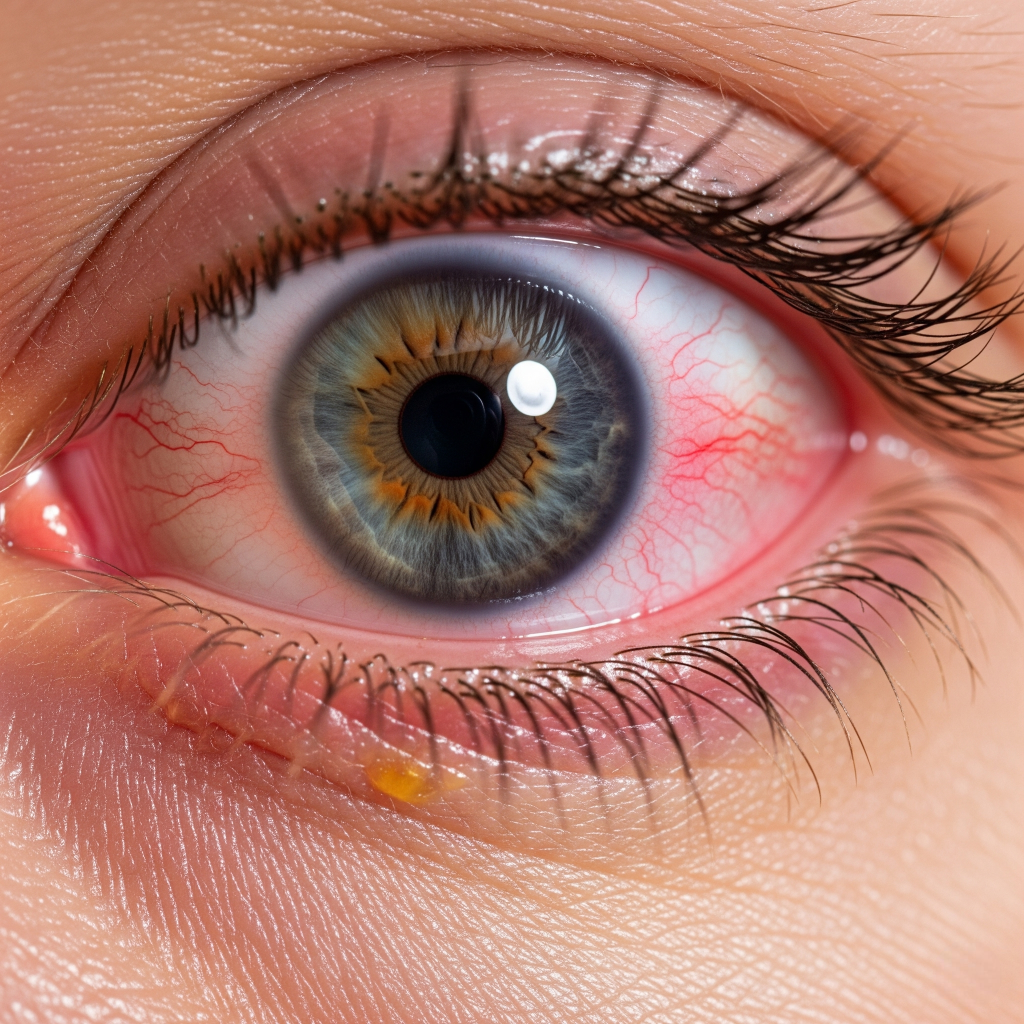
Pink eye, medically known as conjunctivitis, is irritation of the clear tissue (conjunctiva) covering the white of your eye and the confidential of your eyelids. In the United States, millions of cases occur each year, making it one of the most recurrent reasons Americans visit an eye doctor or urgent-care clinic. But because the symptoms are so over-all, people often wonder what is commonly misdiagnosed as pink eye—and with good reason. Let’s travel its major causes and symptoms in detail.
Viruses (Most Common Cause)
Viral conjunctivitis is highly transmissible and spreads through:Hand-to-eye contact (touching your face after shaking hands or handling shared objects)
Airborne droplets from coughs or sneezes
Swimming pools if chlorine levels are low
In the U.S., outbreaks of viral conjunctivitis often occur in schools, daycares, and workplaces. Symptoms usually include watery discharge, slight burning, and redness in one eye first, then possibly both. Because viral pink eye does not respond to antibiotics, patients sometimes receive the wrong treatment and fail to improve—prompting doctors to investigate what is commonly misdiagnosed as pink eye instead.
Eye specialists emphasize that what is commonly misdiagnosed as pink eye often overlaps with conditions like allergic irritation or dry eye syndrome. This is why U.S. clinics use slit-lamp exams and detailed histories to confirm what is commonly misdiagnosed as pink eye, rather than assuming every red eye is infectious conjunctivitis.
Public awareness matters. Understanding what is commonly misdiagnosed as pink eye prevents wasted medication and ensures faster relief with targeted therapy. Ultimately, knowing what is commonly misdiagnosed as pink eye helps patients seek professional care when redness persists or symptoms don’t improve.
Bacteria
Bacterial conjunctivitis is more common in children than grown-ups in the U.S. It produces:
Thick, yellow or green release
Crusting on the eyelids, particularly after sleeping
Rapid symptom progression over hours somewhat than days
Because these symptoms can look similar to plain allergies or even eyelid infections like blepharitis, what is commonly misdiagnosed as pink eye often comprises other bacterial or provocative eye diseases. U.S. pediatricians now indorse careful evaluation rather than mechanically prescribing antibiotics for every red eye.
Allergies
Allergic conjunctivitis is not contagious—but it’s widespread in America due to:
- Cyclical pollen surges in spring and fall
- Dust mites and pet dander inside homes
- Air pollution in major cities
Symptoms include intense itching, watery discharge, and swollen eyelids, usually affecting both eyes equally. Because redness and tearing closely resemble viral conjunctivitis, many people assume they have an infection when it’s really allergies—one of the top examples of what is commonly misdiagnosed as pink eye.
This confusion often leads to unnecessary use of antibiotics instead of proper antihistamine drops. Eye doctors frequently warn that allergic conjunctivitis is among the conditions what is commonly misdiagnosed as pink eye, especially when patients self-diagnose.
In fact, studies show that what is commonly misdiagnosed as pink eye often includes noninfectious eye irritation caused by allergens rather than bacteria or viruses. Recognizing these patterns helps doctors treat patients correctly and avoid wasted medication. For U.S. readers, understanding what is commonly misdiagnosed as pink eye ensures faster relief with the right therapy and protects against needless prescriptions.
Chemical Irritants (Like Smoke or Chlorine)
Irritant conjunctivitis occurs when smoke, fumes, strong cleaners, or pool chemicals inflame the eye’s superficial. In the U.S., this is common among:
Swimmers bare to poorly balanced pool water
Workers in manufacturing settings
People pretentious by wildfire smoke, which has increased in western states
The symptoms—soreness, burning, tearing—can look identical to viral pink eye at first peep. But no contagion is present, so antibiotics don’t help. When eye soreness keeps coming back after environmental contact, doctors start thinking about what is commonly misdiagnosed as pink eye and rule out contagions.
Classic Symptoms in Detail
Many Americans shoulder that red or watery eyes mechanically mean conjunctivitis. In reality, these symptoms overlap with a extensive variety of eye problems. Sympathetic each sign in detail can help you evade self-diagnosis mistakes and ensure you get proper action.
Redness and Irritation
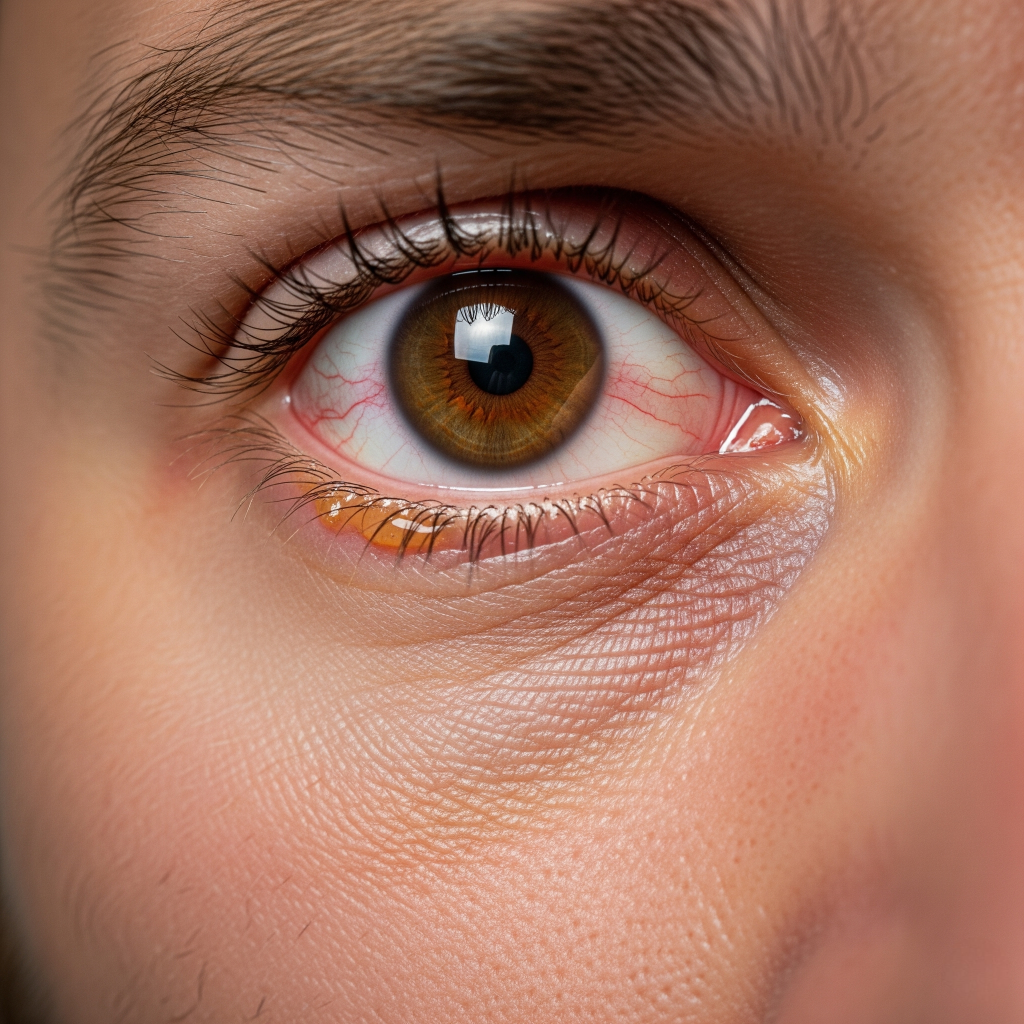
Almost any eye disorder can make your eyes look red—because reddened blood vessels on the surface are your body’s worldwide alarm system. Dry eye syndrome, seasonal aversions, contact lens irritation, or even lack of sleep can all create redness that looks exactly like pink eye. In the U.S., judgement doctors never diagnose based on redness alone—they syndicate it with a patient’s past, exposure risk, and exam answers to avoid confusing cases of what is commonly misdiagnosed as pink eye.
Tearing or Watery Discharge
Viral conjunctivitis often reasons clear tears, while bacterial infections crop thicker, yellow or green secretion. But here’s the tricky part: tearing also happens in dry eye syndrome, allergic conjunctivitis, and even eyelid glitches. Many people in the U.S. head conventional to urgent care presumptuous they need antibiotic drops, yet their symptoms may stem from aversions to coil pollen, indoor mold, or even reactions to screen overuse—none of which need antibiotics.
Crusting on Eyelids (Especially in the Morning)
Awakening up with crust on your eyelashes might make you think you have microbial pink eye. However, blepharitis—chronic irritation of the eyelids—can harvest the same sticky remainder. This is another example of what is commonly misdiagnosed as pink eye, chiefly in adults who spend long hours at computers or wear greasepaint. Unlike conjunctivitis, blepharitis often requires eyelid hygiene, warm compresses, or medicine ointments rather than standard pink eye drops.
Mild Light Sensitivity or Burning
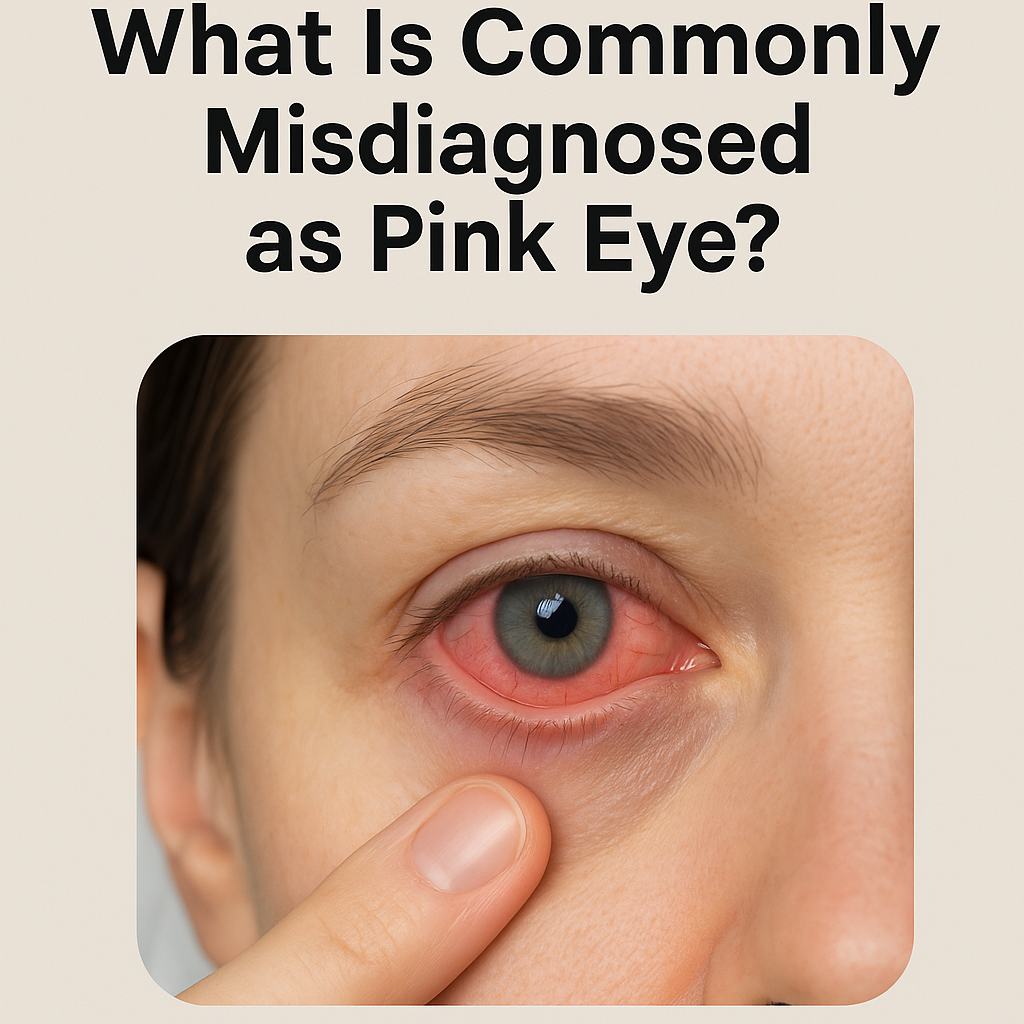
True viral pink eye may slightly irritate the cornea, making bright lights painful. But more serious eye diseases like keratitis (corneal infection) or uveitis (swelling inside the eye) cause similar light sensitivity and burning. In the U.S., eye doctors treat these as medical emergencies because delayed care could permanently damage vision. This is why patients are urged not to dismiss eye pain or photophobia as “just pink eye.”
Bottom Line for U.S. Readers
Because these common signs overlap with so many other conditions, what is commonly misdiagnosed as pink eye includes dry eye syndrome, allergic irritation, eyelid infections (blepharitis), and even dangerous internal inflammation (uveitis). In American clinics, eye specialists use slit-lamp microscopes, detailed medical histories, and sometimes lab testing to make sure your “pink eye” isn’t something more serious.
Why Pink Eye Is Frequently Misdiagnosed
The Diagnostic Challenge
In the United States, pink eye is one of the most common reasons for eye-related doctor visits, but it’s also one of the most misunderstood. Many people—whether patients, parents, or even some healthcare providers—assume that any red, irritated eye must be conjunctivitis. Unfortunately, what is commonly misdiagnosed as pink eye ranges from mild dryness to vision-threatening diseases.
One major reason is that many diagnoses are made without advanced tools. Primary care doctors, pediatricians, school nurses, and urgent-care providers often rely only on appearance. They may see redness and irritation, assume infection, and prescribe antibiotic drops—even when no bacteria are present. Ophthalmologists, however, use slit-lamp microscopes, fluorescein staining, and sometimes lab cultures to verify whether conjunctivitis is the true cause or whether the patient has something that reflects what is commonly misdiagnosed as pink eye.
Studies from U.S. ophthalmology clinics show that up to 50% of red-eye cases are not actually conjunctivitis. Instead, patients may suffer from:
- Dry eye syndrome that mimics viral conjunctivitis
- Allergic conjunctivitis mistaken for bacterial infection
- Blepharitis or eyelid inflammation producing crusting that looks infectious
- Keratitis or uveitis, both urgent conditions requiring specialized care
The stakes are high. Misdiagnosis can delay proper treatment for dangerous diseases, expose patients unnecessarily to antibiotics, and cause missed work or school. For example, a patient with early keratitis might be sent home with antibiotic drops when they actually need antiviral medication or steroid therapy directed by an eye specialist.
Bottom line: In the U.S., when symptoms persist longer than a few days—or if pain, vision changes, or severe light sensitivity occur—it’s critical to consult an ophthalmologist. They have the expertise to separate true conjunctivitis from what is commonly misdiagnosed as pink eye, protecting both your vision and your peace of mind. Knowing what is commonly misdiagnosed as pink eye helps ensure timely care, while understanding what is commonly misdiagnosed as pink eye can prevent unnecessary treatment. Ultimately, eye professionals are trained to identify what is commonly misdiagnosed as pink eye and safeguard your long-term eye health.n.
Conditions Commonly Misdiagnosed as Pink Eye.
1 Dry Eye Syndrome
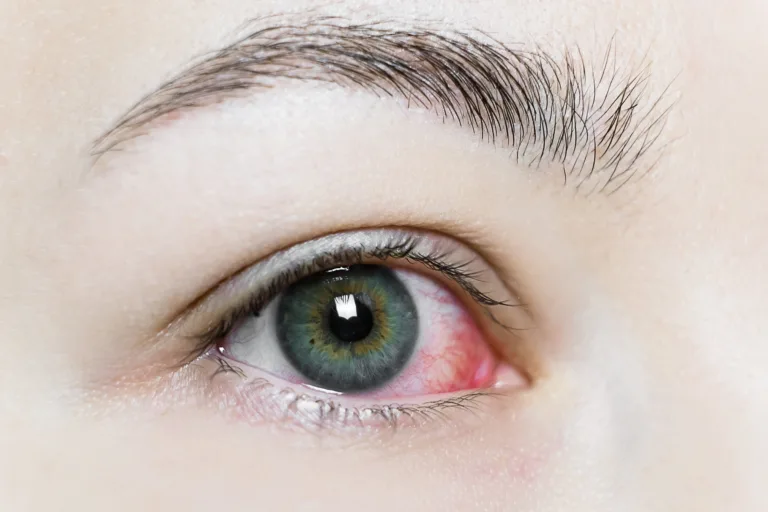
Dry eye condition is one of the most frequent eye circumstances mistaken for pink eye—particularly in the United States, where screen time and ecological factors have made it progressively common. In fact, millions of Americans experience dry eye symptoms apiece year, and many first shoulder they have conjunctivitis because their eyes look red, watery, and irritated.
Why Dry Eye Looks Like Pink Eye
- Redness: Dry eye exacerbates the surface of the eye, causing a bloodshot appearance similar to conjunctivitis.
- Tearing: Ironically, “dry eye” often leads to extreme tearing as your eyes try to compensate for dryness. This watery discharge look like viral pink eye.
- Burning or Grittiness: People often label it as feeling like sand in their eyes—very similar to how mild conjunctivitis textures in its early stages.
Because of these meeting signs, what is usually misdiagnosed as pink eye often includes untreated or chronic dry eye syndrome. Many patients get set antibiotic drops, only to find that symptoms don’t improve—because there’s no contagion to kill.
Why Dry Eye Is So Prevalent in the U.S.
Numerous lifestyle and environmental factors in America have produced a surge in dry eye cases:
- High Screen Time – From smartphones to distant work setups, Americans spend long hours on digital plans. Less blinking means less tear delivery, drying out the eyes.
- Air Conditioning and Heating – Climate-controlled environments are suitable but dry out indoor air. Offices, cars, and homes all donate.
- Contact Lenses – Popular among U.S. teens and grownups, contacts can decrease oxygen flow to the eyes and disturb the tear film.
- Aging Population – With millions of Baby Boomers incoming retirement age, dry eye cases have increased abruptly, as tear production obviously decreases with age.
- Medications and Health Conditions – Antihistamines, blood pressure drugs, and autoimmune complaints (like Sjögren’s syndrome) are more prevalent and donate to chronic dryness.
Signs That Point to Dry Eye Instead of Pink Eye
Many Americans rush to urgent care or a primary doctor when their eyes turn red, assuming they have conjunctivitis. However, what is commonly misdiagnosed as pink eye is often dry eye syndrome—a chronic disorder affecting millions of U.S. adults, especially those who work long hours on computers or live in low-humidity environments. Here’s how you can tell the difference:
Symptoms vary throughout the day
With dry eye, irritation and redness often get worse later in the day, particularly after reading, driving, or prolonged screen use. True conjunctivitis, unlike what is commonly misdiagnosed as pink eye, typically causes constant discomfort that doesn’t fluctuate as much.
Vision may blur temporarily, then clear with blinking
This “film over the eye” sensation is classic for dry eye. When you blink, the fresh tear film sharpens vision. Pink eye usually causes more persistent blurriness that doesn’t clear up with blinking—another reason dry eye is what is commonly misdiagnosed as pink eye in everyday practice.
No significant mucus or pus discharge
Bacterial conjunctivitis produces yellow or green discharge that can glue eyelids shut. In dry eye syndrome—what is commonly misdiagnosed as pink eye—any discharge is minimal or stringy, not thick or crusting.
Little to no contagious risk
Viral conjunctivitis spreads quickly in schools and workplaces. Dry eye is not transmissible, yet it’s still what is commonly misdiagnosed as pink eye, leading many people to worry unnecessarily about spreading infection.
Improvement with artificial tears, not antibiotics
If lubricating drops relieve symptoms, it’s far more likely you have dry eye rather than bacterial conjunctivitis. Many Americans are unnecessarily given antibiotics for what is commonly misdiagnosed as pink eye, wasting time and medication.
Recognizing these differences matters. Mislabeling dry eye as conjunctivitis can delay proper treatment, create frustration when symptoms persist, and lead to needless drug use. Eye doctors in the U.S. emphasize that any red eye lasting more than a few days—especially when paired with irritation or blurry vision—should be examined by an ophthalmologist to rule out what is commonly misdiagnosed as pink eye and ensure the right therapy.
Recognizing these signs matters. Mislabeling dry eye as conjunctivitis can delay correct treatment, lead to needless medication use, and cause prevention when symptoms don’t improve. Eye doctors in the U.S. often stress that any red eye permanent more than a few days—especially if related with blurry vision or irritation—should be properly evaluated to rule out what is commonly misdiagnosed as pink eye and safeguard the right treatment.
The U.S. Approach to Diagnosis and Treatment
In the United States, dry eye is identified far more precisely than most people expect. Unlike urgent-care clinics—where a quick peep may lead to a misdiagnosis of pink eye—eye specialists use progressive testing to expose the root of the problem.
- Tear film break-up tests
This test events how long your tears stay smooth before vanishing. A healthy tear film lasts several seconds, but with dry eye, the film breaks up too rapidly, leaving the eye exposed and annoyed. - Meibomian gland exams
These eyelid glands produce the defensive oils that keep tears from vanishing. Using particular imaging, optometrists and ophthalmologists can see whether these glands are clogged or underproducing oil—a common cause of chronic dry eye that pink eye treatment would not once fix. - Fluorescein or lissamine green staining
With harmless diagnostic dyes, doctors highlight even tiny damage to the eye’s surface. Under a slit-lamp microscope, they can distinguish dry eye patterns from contagions like conjunctivitis, safeguarding patients get the correct care from the start.
Treatment in the U.S. focuses on long-term relief rather than quick fixes:
- Artificial tears or lubricating gels
Willingly available at any U.S. pharmacy, these soothe mild dry eye by adding extra dampness to the eye surface. - Prescription drops such as Restasis® or Xiidra®
For reasonable to severe inflammation, these advanced medications help restore tear production by giving the underlying cause—not just masking discomfort. - Punctal plugs
Tiny, painless devices introduced by an optometrist or ophthalmologist into tear ducts to conserve natural tears, if lasting relief for chronic dry eye sufferers. - Lifestyle adjustments
Simple changes—adding a humidifier to battle indoor dryness, taking screen breaks, reducing contact lens wear, or wearing wraparound dark glasses to shield against wind—can make a remarkable difference.
By uniting precision diagnosis with tailored treatment, American eye care ensures patients aren’t misled by a simple red-eye diagnosis. This method helps dry eye sufferers avoid unnecessary antibiotics, get respite faster, and protect their long-term vision.
Why It’s Important to Get the Diagnosis Right
When dry eye is wrong for pink eye, patients may:
- Waste money on needless antibiotic drops.
- Delay proper treatment, letting dryness to damage the corneal surface.
- Suffer long-term discomfort that simple existence changes or prescription therapy could easily fix.
In the U.S., consciousness campaigns by organizations like the American Academy of Ophthalmology inspire patients to see an eye specialist if redness or discomfort lasts more than a few days—particularly if over-the-counter drops don’t help.
Bottom line:
If your “pink eye” doesn’t recover with standard treatment or if it keeps coming back, it might not be an infection at all. Dry eye condition is one of the top answers to “what is commonly misdiagnosed as pink eye,” and getting an precise diagnosis can restore your comfort quickly.
2. Blepharitis
- Symptoms: Red, crispy eyelid margins, irritation at lash line
- Key Difference: Irritation is on the eyelid edge—not the conjunctiva itself.
- Why misdiagnosed: Morning crusting is often expected to be bacterial pink eye.
3.Allergic Conjunctivitis
- Symptoms: Intense eager, clear watery discharge, swollen eyelids
- Key Difference: Typically both eyes are involved, and symptoms flare with pollen, dust, or pets.
- Why misdiagnosed: Red, watery eyes are common to both sensitive and viral pink eye.
4. Subconjunctival Hemorrhage
- Symptoms: A unexpected bright red patch on the white of the eye, no pain
- Key Difference: No release, no eager—just a painless blood spot.
- Why misdiagnosed: Redness is pretentious, leading to assumptions of infection.
5. Keratitis (Corneal Inflammation)
- Symptoms: Pain, blurry vision, light sensitivity
- Key Difference: More plain than pink eye—vision changes signal urgent care needs.
- Why misdiagnosed: Early keratitis can look like small conjunctivitis before corneal damage becomes clear.
6.Uveitis (Inflammation Inside the Eye)
- Symptoms: Deep painful pain, blurred vision, light sensitivity
- Key Difference: Often one eye, with dream affected. Requires immediate ophthalmology evaluation.
- Why misdiagnosed: Early soreness may mimic viral pink eye before pain becomes severe.
7. Episcleritis or Scleritis
- Symptoms: Localized red covers, mild to severe discomfort
- Key Difference: Redness is profounder than the surface conjunctiva.
Why misdiagnosed: General soreness is often labeled “pink eye” without detailed exam
8. Stye (Hordeolum) or Chalazion
- Key Difference: The knock is in the lid, not on the eyeball surface.
- Why misdiagnosed: Red eyelid can be wrong for bacterial conjunctivitis.
How to Tell the Difference at Home
When It Might Be True Pink Eye
- Both eyes complicated (especially viral/allergic)
- Mild burning, determined feeling without severe pain
- Crust or mucus but no dream loss
When It’s Probably Something Else
- Reasonable to severe pain
- Blurred vision or halos around lights
- Light sensitivity that’s deteriorating
- Localized eyelid knock or deep redness
- No development after 48 hours on prescribed drops
If any of these occur, you may be facing what is usually misdiagnosed as pink eye—and you need an eye specialist.
The Risks of Misdiagnosis
- Unnecessary antibiotics — most pink eye is viral, not bacterial.
- Delayed treatment for serious conditions like keratitis or uveitis.
- Vision loss in rare cases if true disease goes untreated.
- Increased spread — viral or allergic conditions need different precautions than bacterial cases.
What To Do If Your “Pink Eye” Isn’t Getting Better
Optometrists and ophthalmologists use:
- Slit-lamp exams to enlarge and inspect eye layers
- Fluorescein stain to detect corneal injury
- Tear break-up tests for dry eye
- Cultures if severe bacterial contagion is suspected
Keep Detailed Symptom Notes
- When did symptoms start?
- Is one eye worse than the other?
- Do you wear contact lenses?
- Are you experiencing systemic symptoms (like joint pain, rash, cough)?
Don’t Self-Medicate for Long
U.S.-Specific Considerations
- School and workplace policies: Many require clearance to return after “pink eye.” Accurate diagnosis prevents unnecessary absences.
- Insurance coverage: Most U.S. vision plans cover optometry visits; medical insurance covers ophthalmology.
- Regional allergens: In states like Texas or California, high pollen counts lead to allergic conjunctivitis spikes often mislabeled as pink eye.
Over-the-counter drops can soothe irritation but should not replace professional care if symptoms persist.
How to Reduce Misdiagnosis
- Public education: Meaningful what is commonly misdiagnosed as pink eye helps patients ask better questions.
- Better screening: School harbors and urgent care providers should refer to specialists for any severe or tenacious cases.
- Telemedicine with photos: Some U.S. clinics now use secure video or photo checks to triage red eye complaints.
Key Takeaways
- Pink eye (conjunctivitis) is only one cause of red eyes.
- What is commonly misdiagnosed as pink eye comprises dry eye, allergies, blepharitis, keratitis, uveitis, scleritis, subconjunctival hemorrhage, and styes.
- Pain, vision loss, or lack of upgrading are red flags—seek urgent eye care.
Proper diagnosis prevents needless antibiotics and protects your vision
Final Word
If you’re asking what is commonly misdiagnosed as pink eye, you’re previously ahead of the curve. Not every red or annoyed eye is conjunctivitis. U.S. patients should seek prompt, accurate evaluation—especially if indications are severe, one-sided, or resistant to standard treatment. Early intervention by an eye specialist keeps your dream safe and ensures the right therapy every time
Conclusion
Understanding what is commonly misdiagnosed as pink eye is essential to avoid unnecessary treatments and prolonged discomfort. While red, itchy, or watery eyes may seem like clear signs of conjunctivitis, conditions such as allergies, dry eye syndrome, blepharitis, or even a corneal abrasion can mimic these symptoms. Misdiagnosis often happens when people rely on self-assessment or over-the-counter drops instead of consulting an eye specialist.
By learning what is commonly misdiagnosed as pink eye, individuals can recognize when their symptoms don’t improve with standard care. Proper diagnosis ensures the correct treatment—whether that means antihistamines for allergies, lubricating drops for dryness, or medical attention for more serious eye issues.
In short, knowing what is commonly misdiagnosed as pink eye empowers you to take eye health seriously and seek professional advice when needed. Whether it’s irritation caused by environmental triggers or a more complex condition, timely and accurate evaluation makes all the difference. Staying informed about what is commonly misdiagnosed as pink eye helps protect vision, prevent complications, and promote faster recovery.
FAQs
1. What is commonly misdiagnosed as pink eye?
Conditions like allergies, dry eye syndrome, blepharitis, and corneal abrasions are commonly misdiagnosed as pink eye, since they share redness, irritation, and tearing symptoms.
2. Can allergies be mistaken for pink eye?
Yes, allergic conjunctivitis is one of the main conditions commonly misdiagnosed as pink eye because both cause itching, watering, and redness.
3. How do I know if it’s pink eye or something else?
If symptoms persist, worsen, or affect only one eye, it may be a condition commonly misdiagnosed as pink eye, such as uveitis or keratitis.
4. Can dry eye syndrome look like pink eye?
Absolutely. Dryness, burning, and redness from dry eye syndrome are often commonly misdiagnosed as pink eye by patients and even general doctors.
5. Is blepharitis ever mistaken for pink eye?
Yes. Blepharitis, which causes eyelid swelling and crusting, is frequently commonly misdiagnosed as pink eye because of similar inflammation.
6. When should I see an eye doctor instead of self-treating?
If redness lasts more than a few days, worsens, or comes with pain, it may be a condition commonly misdiagnosed as pink eye that requires professional care.
7. Can a corneal abrasion look like pink eye?
Yes. A scratch on the cornea causes redness and tearing, which are commonly misdiagnosed as pink eye without a proper eye exam.
8. Do antibiotics always work for pink eye symptoms?
No. If antibiotics don’t help, it may not be bacterial conjunctivitis but something commonly misdiagnosed as pink eye, like allergies or viral irritation.
9. What happens if pink eye is misdiagnosed?
Treating the wrong condition delays healing. Knowing what is commonly misdiagnosed as pink eye prevents unnecessary medication and protects eye health.
10. How can I prevent misdiagnosis?
See an ophthalmologist for a full eye exam. They can identify conditions commonly misdiagnosed as pink eye using slit-lamp checks and tear tests.
You can also read
http://10 Best Online Jobs For Teens In USA 2025
Top 5 Whelping Boxes for Dog Breeders – budhicoin –
