Table of Contents
Introduction
Dental cavities are one of the most common oral health problems in the United States. If you’re questioning how long does it take to fill a cavity, you’re not alone. This complete guide will cover every feature of the procedure, including preparation, treatment duration, and rehabilitation. Understanding how long does it take to fill a cavity can ease nervousness and help you schedule your appointment efficiently.
What Is a Dental Cavity?
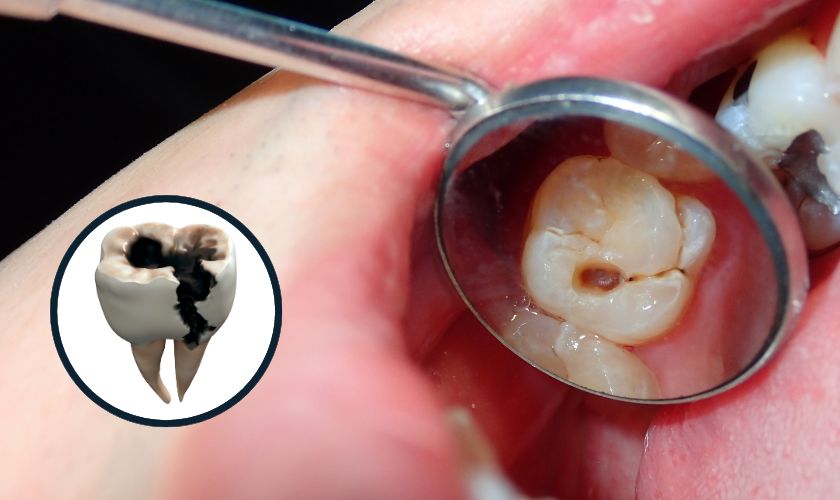
A dental cavity is a permanently damaged area in the hard external of your tooth that develops into a tiny opening or hole. Cavities are caused by bacteria, common snacking, sugary drinks, and poor oral hygiene. If raw, cavities can grow larger and lead to more serious dental problems. Knowing how long does it take to fill a cavity can motivate patients to pursue treatment early.
Why Cavity Fillings Are Necessary
Dental fillings reinstate the function, truth, and morphology of missing tooth structure resulting from decay. Fillings also avoid further decay. If you wait too long to fill a cavity, it may require a crown, root canal, or extraction. This makes understanding how long does it take to block a cavity crucial for timely intervention.
Types of Dental Fillings
Amalgam Fillings
Tough and commonly used for molars.
Complex Resin Fillings
Tooth-colored and ideal for observable teeth.
Gold Fillings
Long-lasting but more luxurious.
Ceramic Fillings
Aesthetic and stain-resistant but need more than one visit.
Glass Ionomer Fillings
Release fluoride to help protect teeth but are less tough.
Meaningful the type of filling chosen can affect how long does it take to fill a cavity, as some resources require additional preparation.
The Filling Procedure: What to Expect
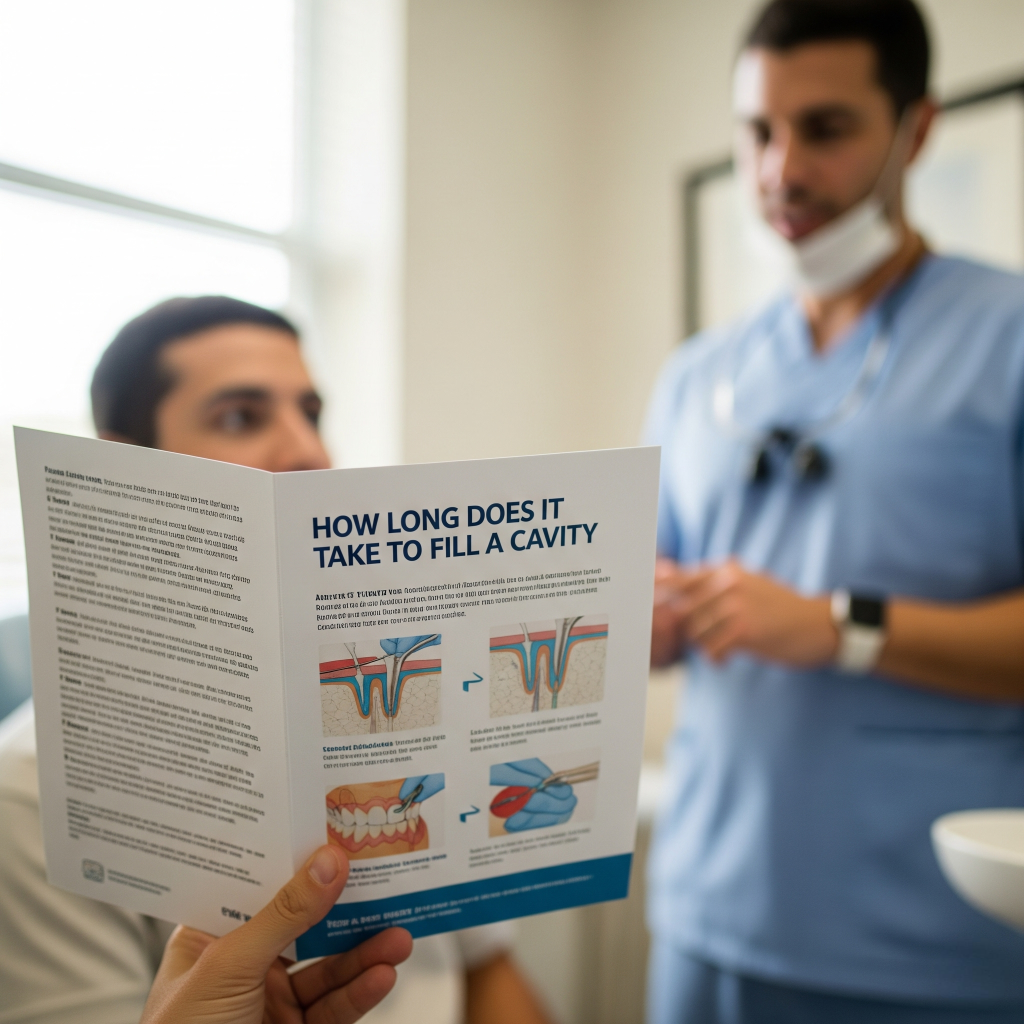
Are you speculating how long a filling will take? The good news is that cavities are comparatively easy for dental professionals to fix. And what’s more, they use a local anesthetic to emotionless the area that they’ll be working on so that you feel no pain during the process. The painkilling will be injected into the gum flesh, which might cause a hurtful sensation, but this is only temporary.
Then, the dental professional will use a dental tool or laser to remove deterioration from the tooth. Next, the newly shaped space needs to be made ready for the filling. If you’ve ever wondered how long does it take to fill a cavity, this preparation step is one reason the process is so efficient. The dental expert will shape the area and may even etch the tooth with an acid gel.
The next step in the process is the real application of the filling material. Some types of filling materials need to be hardened using a special light, which the dental professional may shine on you during the procedure. When asking how long does it take to fill a cavity, patients are often surprised at how quickly this part is completed.
Finally, the filling needs to be graceful. Improving smoothens the filling and removes any sharp limits that could hurt your tongue or cheek lining.
So how long does the filling procedure take?www.mouthhealthy. The procedure is rather upfront and shouldn’t take about an hour to comprehensive. If you have multiple cavities that need to be filled, your dentist might adopt to treat them over multiple visits.
After the Filling: What to Expect
After the filling procedure, it’s normal to experience some tooth sensitivity or discomfort. This can last up to a couple of days. The best thing to do is avoid foods that can cause improved sensitivity, such as very hot or cold drinks, sugar foods, and soft drinks. If the sensitivity doesn’t go away in a twosome of days or gets worse, don’t vacillate to check with your dentist.
Some fillings need time to set. So eating gummy foods can remove your filling. Ask your dentist how long you have to wait before you can eat gummy or hard foods. The anesthetic should start trying off soon after the procedure, so you might notice some discomfort in the hours that follow. Again, check with your dentist if you remain to feel.
How Long Does It Take to Fill a Cavity? A Quick, Comfortable Process
If you’re doubting how long does it take to fill a cavity, you’ll be willing to know the process is usually quick, comfortable, and highly effective. Modern dental technology agrees most cavities to be treated in just one short selection, giving you a healthier smile without major disturbance to your day. Patients often leave feeling thankful, knowing their tooth is protected and their oral health is improved almost immediately.
The answer to how long does it take to fill a cavity is often surprisingly comforting — typically between 20 to 60 minutes, depending on the size of the cavity. Many people smooth use their dental appointment as an opportunity to catch up on personal time, knowing they’ll walk out with a stronger tooth and greater confidence. With professional care, cavity contents are now a simple step toward a better, brighter smile.
How long does it take for a filling to usual?
How long your filling will take to set be contingent on the material your dentist uses. According to Rothschild:
- Mixture fillings set weakly in 1 hour and are at full asset in about 24 hours. With this type of filling, it’s best to evade eating hard foods until the filling has completely set.
- Complex fillings and glass ionomer fillings are usually light smoked. They are set in 1- to 2-millimeter-thick layers, taking about 2 to 20 seconds per layer.
- Earthenware fillings set immediately, with the aid of the dentist’s blue wavelength light. Rothschild explained: “It’s already crushed or fired, and the bonding glue that holds it in place is cured in seconds.”
If the length of the procedure is a anxiety, let your dentist know so they can indorse the best type of filling for you.
How long does it take to settle after a filling?
Most fillings heal quickly without complications. After the anesthetic attires off, your tooth may feel a little sensitive, but this typically goes away in a day or so.
“Copper fillings, like amalgam and gold, occasionally have a period of post-op cold sensitivity for a few days or smooth weeks,” Rothschild said. “This is less likely but still likely with a bonded composite or glass ionomer filling.”
You can decrease tooth sensitivity by:
- chewing on the other side of your mouth for a couple of days
- brushing and flossing more mildly than usual around the filling
- evading hot or cold food or drinks
- evading acidic foods
- consuming a desensitizing toothpaste
- attractive a nonsteroidal anti-inflammatory drug railroaddentalassociates.com
Let your dentist know if your bite feels off or if you have any long-lasting pain or sensitivity. Your dentist may need to regulate the filling surface to improve your bite.
How long does a filling take to stop hurting?
After your filling is complete, it might take a little while for any remaining pain to diminish. You may feel a dull pain at the site of your dental work for several hours afterward you leave the dentist.
It can also take between 2 to 7 hours for any anesthesia to wear off completely. While the anesthesia wears off, you may feel an uncomfortable “pins and indicators” feeling as your nerves recover their full function.
You can take an over-the-counter pain reliever (such as ibuprofen) to counter the pain if you are tremendously uncomfortable. You may also apply gentle heat or an ice pack outside your jaw to bring down bulge and soothe the pain.
Evading highly acidic foods, cold foods, and tacky foods for an evening after your cavity will confirm the cavity seals fully and help you avoid ongoing pain and complications.
How long do fillings last?
How long your filling lasts depends, in part, on your dental cleanliness. Hardworking dental care can extend the life of your filling and prevent a new cavity from forming on your tooth. The era of a filling can also vary depending on the resources used.
Evoke that everyone’s teeth and lifestyle are different, so these timeframes can vary from individual to person. In general:
- amalgam fillings last 5 to 25 years
- composite fillings last 5 to 15 years
- gold fillings last 15 to 20 years
How do you know if you need a filling?
If you see your dentist for regular checkups, they’ll find cavities early. The rather a cavity is treated, the better the consequence for your tooth and the less aggressive the treatment is likely to be. pdalaska.com So it’s a good investment to get regular dental checkups.
Typically, there are some warning signs of a cavity, such as:
- teeth sensitivity to hot or cold foods and drinks
- sensitivity to sentimental foods and drinks
- ongoing pain in a tooth
- a hole or mine in a tooth
- a tooth tint, either white or a darker color
If you doubtful you may have a cavity, make sure to visit your dentist. They can control whether you need a satisfying or other treatment.
Step-by-Step Process of Filling a Cavity
1. Dental Examination
The dentist inspects your tooth using X-rays to determine the extent of decay.
2. Numbing the Tooth
Local anesthesia is practical to keep you comfortable.
3. Removing Decay
The dentist drills to remove decomposed tooth material.
4. Cleaning the Cavity
The space is cleaned to remove bacteria and wreckage.
5. Filling Placement
The chosen material is placed into the cavity.
6. Shaping and Polishing
The filling is shaped to match your taste and polished for a smooth finish.
Each of these steps plays a role in decisive how long does it take to fill a cavity. Typically, the entire process can take 20 minutes to an hour per tooth contingent on the severity of the decline and the type of filling.
Factors That Effect How Long Does It Take to Fill a Cavity
Size and Depth of the Cavity
Small cavities take less time to fill, while bottomless cavities require more preparation.
Type of Filling Material
Complex fillings take longer because they require curing in layers, whereas amalgam fillings are faster.
Location of the Tooth
Molars may take more time to fill than front teeth because of their position and chewing surface difficulty.
Number of Cavities
Multiple cavities require extra time. Your dentist may schedule more than one appointment.
Patient Cooperation
If a patient has difficulty staying still or experiences dental nervousness, the procedure may take longer.
How Long Does It Take to Fill a Cavity for Children vs. Adults
Children usually have smaller cavities, but pediatric dentistry needs special care. Techniques to keep children peaceful may lengthen the choice slightly. For adults, existing dental work or plain decay can increase the filling time.
Does Getting a Cavity Filled Hurt?
Thanks to modern anesthesia, most patients feel no pain during a cavity filling. Some may experience slight discomfort afterward, but this usually goes away within a day or two. Understanding how long does it take to fill a cavity and how simple the process is can encourage patients to seek timely treatment.hillsdaledentalcare.com Many people wonder how long does it take to fill a cavity when planning their dental visits, and knowing the answer helps reduce anxiety. If you’re still asking yourself how long does it take to fill a cavity, rest assured the procedure is typically quick and hassle-free.
Aftercare Following a Cavity Filling
- Avoid chewing hard foods till anesthesia wears off.
- Practice good verbal hygiene to prevent future cavities.
- Schedule follow-up actions if you feel any bite irregularities.
- Sensitivity to temperature may happen but usually resolves quickly.
Preventing Cavities in the Future
- Brush your teeth at minimum twice a day with fluoride toothpaste.
- Floss daily to remove sign from between teeth.
- Limit sugary nibbles and drinks.
- Visit your dentist for even checkups and cleanings.
- Consider dental sealants and fluoride conducts for additional protection.
Conclusion
So, how long does it take to fill a cavity? For most patients in the United States, a single cavity filling takes between 20 minutes and one hour, dependent on the factors described above. Quick treatment not only saves time but also prevents more serious dental problems in the future. Understanding how long does it take to fill a cavity helps you make knowledgeable decisions about your oral health.
FAQs
Q1: How long does it take to fill a cavity on average?
A typical cavity filling usually takes about 20 to 60 minutes, dependent on the size and location of the cavity as well as the type of filling solid used.
Q2: Does the number of cavities disturb how long it takes to fill a cavity?
Yes. If you have more than one cavity, the dentist may fill them in a single visit or across multiple activities, which increases the total time.
Q3: How long does it take to fill a cavity in a child compared to an adult?
Children’s cavities may take slightly less time because they are often smaller, but extra care to have the child calm can make the appointment longer.
Q4: Does the type of filling material change how long it takes to fill a cavity?
Unconditionally. Composite (tooth-colored) fillings can take longer to place than silver (amalgam) fillings because they are practical in layers and cured with light.
Q5: Can anesthesia affect how long it takes to fill a cavity?
Yes. Waiting for local anesthesia to take effect can add 5–10 minutes to the procedure, especially if multiple injections are needed.
Q6: How long does it take to fill a cavity if sedation is used?
Sedation can add preparation and recovery time, but the actual filling process motionless typically stays within the 20–60 minute range.
Q7: How long does it take to fill a cavity during a routine dental visit?
If you cartel a checkup, cleaning, and filling in one appointment, expect the visit to take longer than just the filling way alone.
Q8: How long does it take to fill a cavity if it’s deep or near a nerve?
Bottomless cavities may require extra steps, such as lining or temporary fillings, which can extend the treatment time.
You Can Also Read
Top 5 Whelping Boxes for Dog Breeders – budhicoin –
10 Best Online Jobs For Teens In USA 2025 – budhicoin –
5 Perfect Stunning Yellow Dresses Rock, Paper, Scissors Events