Table of Contents
Introduction
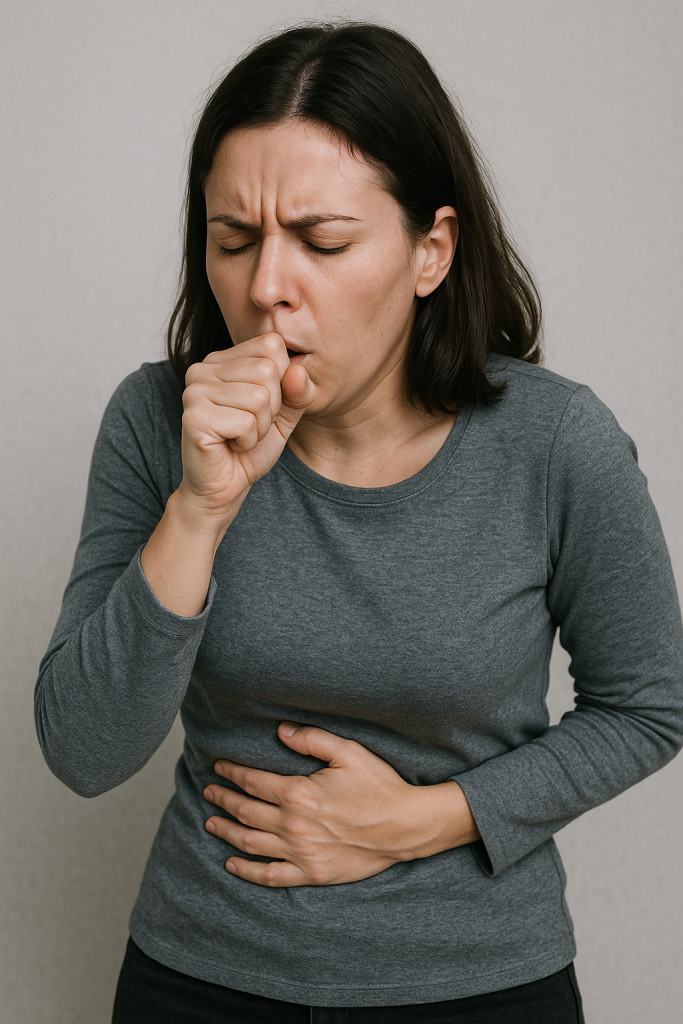
Have you ever doubted why does my stomach hurt when I cough or observed a sharp, high-pitched, or aching pain in your abdomen during a coughing curse? You’re not alone. Many people involvement this discomfort, and while it can feel disturbing, it’s often linked to conditions that variety from slight to more serious. Coughing sets sudden pressure on the abdominal muscles and interior organs, so when something is annoyed, strained, or reddened, that pressure can trigger pain.
Understanding why my stomach hurt when I cough is important because it helps you control whether it’s a simple muscle issue or a symbol of something requiring medical care. Below are five common reasons this problem happens — some temporary and innocuous, others worth a closer look.
Understanding the Connection Between Coughing and Stomach Pain
Many people wonder, “why does my stomach hurt when I caugh Although it may seem uncommon, this discomfort is actually rather common. Coughing puts sudden pressure on your abdominal muscles, diaphragm, and internal organs, which can lead to pain, particularly if there’s an causal issue such as a muscle strain, hernia, or infection.
This article discovers all possible reasons your stomach hurts when you cough, deterrence tips, and when to seek medical advice.
Coughing is your body’s normal way of eliminating irritants from your gullet. Sometimes, a powerful cough may hurt your torso and abdomen. If you’ve ever wondered why my stomach hurt when I cough, you’re not alone — many people notice this discomfort during illness or physical strain.
However, if you often experience stomach pain whenever you cough, this may be a sign that there’s something dissimilar going on in your body. Why my stomach hurt when I cough can depend on the underlying cause, with discomfort ranging from slight or dull pain to sharp, intense pain. It might not just be triggered by coughing either — your stomach may also hurt when you laugh, sneeze, or work out.
Any unexpected or ongoing stomach pain, especially if paired with other symptoms, should be assessed by a doctor. Due to the numerous possible causes of this problem, you should never try to self-diagnose. This article will explain why my stomach hurt when I cough by reviewing some of the most common conditions that may worsen with coughing — and when to see a doctor.
Appendicitis
Appendicitis means your appendix is inflamed. When this happens, you may experience plain abdominal pain that becomes worse when you cough, sneeze, or exercise. If you’ve ever wondered why does my stomach hurt when I cough, appendicitis is one possible explanation.
Other symptoms of appendicitis include:
- abdominal swelling or bloating
- fever
- biliousness or vomiting
- constipation or diarrhea
- reduced appetite
There’s no single cause for appendicitis, but it’s important to diagnose and treat this condition quickly before your appendix ruptures. If you keep thinking, why does my stomach hurt when I cough, and the pain is severe or persistent, seek immediate medical attention.
Appendicitis is considered a medical emergency that’s most often treated with surgery to remove your appendix. In mild cases, doctors may also treat it with antibiotics. Persistent lower-right abdominal pain—especially if you’re asking, why does my stomach hurt when I cough—should never be ignored.
Cystitis
Lower abdominal pain is also fair one symptom of cystitis, a common type of urinary tract infection.
Other symptoms comprise:
- recurrent urination
- overcast or dark urine that’s also foul-smelling
- blood in your urine
- over-all feelings of unwellness
Cystitis is more shared in women, and slight cases resolution within 3 days. However, if symptoms get inferior, you should see a doctor for analysis. They may recommend antibiotics for action.
Recurrent and plain cases may be a sign of interstitial cystitis (IC). You may have simple pain around your stomach, pelvis, or bladder that becomes inferior with activity.
Medications and existence changes can help achieve IC. Surgery is a fewer common option.
Diverticular disease
Diverticular disease happens when small sacs push out against weak acnes of your colon.
While slight cases don’t cause any symptoms, development of this disease may cause:
- abdominal pain
- bloating
- nausea or vomiting
- fever or chills
- bowel changes, such as constipation or diarrhea
- blood in your stool (rare)
If you knowledge any of the above symptoms, see your doctor. Once diagnosed with diverticular disease, your doctor may sanction a combination of medications, a high fiber diet, and probiotics.
Blood in your stool is infrequent with this condition, but it’s considered a medical spare.

Endometriosis
In the United States, endometriosis touches at least 11 percentTrusted Source of women old 15 to 44.
It happens when matters similar to uterine coating grow outside your uterus. This results in important pain in the lower back, pelvis, and lower abdominal areas, particularly during:
- periods
- sex
- urination
- bowel movements
Endometriosis isn’t careful a medical extra, but it can reason infertility.
If you knowledge the above symptoms, along with gastric issues or bleeding between periods, see your doctor for a good diagnosis.
Gallstones
Gallstones arise when there’s too much bitterness, bilirubin, or cholesterol constructed up in your gallbladder. While asymptomatic at first, gallstones can principal to gallblader bouts as they get bigger.
Symptoms of gallstones include:
- abdominal discomfort that’s severe and continues for at least 30 minutes at a time
- abdominal swelling
- pain in your high back or right shoulder
- fever or anxieties
- jaundice
- gas or indigestion, particularly after eating fatty foods
- nausea or vomiting
Gallstones may be surgically detached. Or your doctor may recommend medications that help melt the gallstones.
Cyphers of a medical emergency comprise persistent fever and chills, sweating, and clay-colored seats.
Hernia
Hernia happen when an organ — classically the bowel — pushes finished a gap in the muscles of the abdominal wall. You may sign bulging in your stomach or groin area.
You may involvement pain that gets more severe when you:
- cough
- sneeze
- run
- lift heavy items
- pass a bowel movement
If the gap is large sufficient, the intestines may transparency in and out of the gap easily. This isn’t careful an emergency.
If the bowel gets wedged, it’s an emergency. The blood source to that part of the bowel is typically cut off and that unit of the bowel can die.
Emergency symptoms include:
- simple pain that doesn’t get healthier upon rest
- important abdominal bulging or bloating
- augmented heart rate
- fever
- biliousness or vomiting
- inability to pass a bowel drive
Hernias may be efficiently preserved with surgery to help overhaul gaps in your abdominal area.
Kidney stones
Kidney stones contain of hardened credits that are typically found in urine. When a kidney When a stone passes through your bladder and urethra, you may experience simple abdominal pain. If you’re wondering why does my stomach hurt when I cough, kidney stones could be a possible reason, especially if the pain feels sharp or sudden.
A tenacious stomachache is also linked with this condition. If you keep asking yourself, why does my stomach hurt when I cough, it’s worth noting that kidney stones can irritate nearby muscles and nerves.
Other symptoms include:
- simple pain on one or both sides of your back
- overcast or foul-smelling urine
- blood-stained urine
- temperature or chills
- biliousness or vomiting
Kidney stones may resolve on their own with or without medicine. Drinking additional water can also help. If the stone is too large to pass, however, your doctor may recommend surgery. In cases of infection or if the stone blocks your ability to pass urine, emergency surgical removal may be required. Persistent or severe pain should never be ignored—especially if you’re repeatedly thinking, why does my stomach hurt when I cough.
How Coughing Affects the Abdominal Area
The Procedure of a Cough
When you cough, your body produces a strong expulsion of air from the lungs to clear irritants, mucus, or infections. If you’ve ever wondered why does my stomach hurt when I cough, it often comes down to how your muscles respond during this process.
This mechanism involves:
- Diaphragm: Contracts strongly to push air out.
- Abdominal muscles: Tighten to provide extra force.
- Intercostal muscles: Support ribcage movement.
Repeated or intense coughing may strain or irritate abdominal tissues, which explains why your stomach hurts when you cough.
Intra-Abdominal Pressure
Each cough causes a sudden rise in abdominal pressure. If you already have a weak spot in your abdominal wall—due to surgery, pregnancy, or strenuous exercise—this pressure can aggravate the area. Persistent discomfort might leave you asking, why does my stomach hurt when I cough, and should be evaluated by a doctor if it continues.
Communal Causes of Stomach Pain While Coughing
Muscle Strain
If you’ve been coughing for days, the repeated reduction of your core muscles can lead to muscle exhaustion or small tears. This is one of the most common answers to “why does my stomach hurt when I caugh?”
Respiratory Infections
Conditions like bronchitis, pneumonia, or viral colds activate persistent coughing, which may principal to secondary abdominal pain.
- Learn more about bronchitis here: CDC – Bronchitis Information
Intestinal Causes
- Acid reflux (GERD): Stomach acid can degenerate both your throat and high abdominal area.
- Gastritis: Irritation of the stomach covering makes it caring during coughing incidents.
- Hiatal hernia: Part of your stomach pushes over the diaphragm, making burden from coughing more painful.
For more on acid reflux: NIH – GERD Overview
Umbilical or Inguinal Hernia
A hernia occurs when tissue juts over a weak spot in the abdominal wall. Coughing increases pain because of extra pressure.
Appendicitis or Lower Abdominal Infections
If the pain is shrill and localized on the lower right side, appendicitis may be a cause. Plain cases require emergency care.
Read more: Mayo Clinic – Appendicitis Symptoms
Post-Surgical Compassion
If you’ve had new abdominal or pelvic surgery, coughing can aggravate mark tissue or sutures.
Fewer Common But Serious Causes
Gallbladder Issues
Irritation of the gallbladder or gallstones can produce pain that worsens during coughing. If you’ve ever wondered why does my stomach hurt when I cough, gallbladder issues may be one explanation.clevelandclinic.org
Pancreatitis
Irritation of the pancreas may emit pain into the upper abdomen and worsen with coughing. This is another possible answer if you’re asking yourself, why does my stomach hurt when I cough.
Abdominal Tumors or Masses
Though rare, abdominal growths can be sensitive to pressure. Strong, persistent pain should not be ignored. If you keep thinking, why does my stomach hurt when I cough, it’s worth getting checked by a doctor.
Home Remedies to Relieve the Pain
If your stomach pain is due to muscle strain from a simple cough, you can try these methods at home to ease the uneasiness:
- Apply a Warm Compress: Place a heating cloth or a warm towel on your abdomen. The heat can help reduce tense muscles and decrease cramping.
- Stay Hydrated: Dehydration can lead to muscle cramps and make the pain worse. Be sure to drink plenty of clear liquids like water and herbal tea.
- Take a Warm Bath: A warm bath can help calm your entire body, including the stressed muscles in your abdomen.
- Over-the-Counter Medication: For general pain and irritation, medications like ibuprofen or acetaminophen may offer some relief. Always follow the directions on the packet.
When to See a Doctor
While most pain from coughing is impermanent, there are times when it could signal a more serious original issue. You should seek medical care if your stomach pain is accompanied by any of the following symptoms:
- Sudden and Severe Pain: Especially if the pain is sharp and tenacious.
- Fever or Chills: These can be symbols of an infection like appendicitis or pancreatitis.
- Nausea, Vomiting, or Diarrhea: This could designate a serious digestive issue.
- Blood in Your Cough, Stool, or Urine: This is a red flag and needs immediate medical assessment.
- A Lump or Swelling: If you feel a noticeable bulge, it could be a sign of a hernia, which can be deteriorated by coughing.
Symptoms That Need Instant Medical Attention
If you ask, “why does my stomach hurt when I caugh and also notice these red buntings, seek medical help directly:
- Severe, sharp pain that doesn’t go away
- High fever, chills, or night fluids
- Persistent sickness or blood in stool
- Sudden bulge or a visible bulge in the abdomen
- Pain that deteriorates rapidly over hours
Diagnosis – How Doctors Identify the Cause
When you visit a doctor, expect:
- Physical exam: Inspection for tenderness or swelling.
- Imaging tests: Ultrasound, X-ray, or CT X-rays to rule out hernias or structure issues.
- Blood tests: To classify infections or bulge.
- Endoscopy: If acid reflux or gastritis is supposed.
Treatment Options
For Muscle Strain
- Rest and avoid weighty thrilling
- Warm dressings
- Over-the-counter discomfort relievers such as acetaminophen or ibuprofen
For Infections
- Antibiotics for microbial bronchitis or pneumonia (if set)
- Hydration and rest for virus-related contagions
For Acid Reflux or Gastritis
- Antacids or proton drive inhibitors
- Avoid hot, greasy, or acidic foods
- Eat smaller meals to decrease stomach pressure
For Hernias
- Surgical overhaul if pain is tenacious or severe
Home Remedies and Prevention
Strengthening Your Core
Perform slight abdominal exercises once coughing reduces to reduce future strain.
Using a Cushion for Support
Land a pillow against your abdomen while coughing lessens pressure and discomfort.
Remaining Hydrated and Dampened
Humid air eases throat irritation, dropping coughing chapters.
When to See a Specialist
If abdominal pain persists for more than a week, or you knowledge fever, sickness, or contained swelling, consult:
- A gastroenterologist for gastric causes
- A pulmonologist for lingering cough
- A surgeon if a hernia is supposed
Conclusion
If you’ve been asking yourself, “why does my stomach hurt when I cough you’re not alone. This type of distress is more common than you might think, and its reasons can range from simple muscle straining to more serious conditions such as hernias, infections, or interior inflammation. Since coughing places sudden pressure on your abdominal muscles and interior organs, any annoyance or weakness in these areas can make you miracle again, “why does my stomach hurt when I cough so often?”
In many cases, the issue is provisional and can recover with rest, hydration, and over-the-counter medicines. However, recurrent or severe pain shouldn’t be ignored. If you frequently think, “why does my stomach hurt when I cough and move,” it may be time to agenda an selection with a doctor. Proper evaluation ensures you’re not overlooking fundamental conditions that could deteriorate without treatment.
FAQs
1. Is it normal to wonder why does my stomach hurt when I cough?
Yes. Many people feel abdominal distress when coughing because the sudden pressure strains the stomach muscles. However, if you often find yourself asking why does my stomach hurt when I cough, it’s best to discuss it with your doctor to rule out any serious issues.
2. Can a muscle strain clarify why does my stomach hurt when I cough?
Absolutely. Overexertion, intense exercise, or prolonged coughing can strain your abdominal muscles, which may explain why does my stomach hurt when I cough.
3. Could a hernia be the cause why does my stomach hurt when I cough?
Yes. Hernias are a common reason for stomach pain triggered by coughing. If you’re asking why does my stomach hurt when I cough, a hernia might be the cause.
4. When should I concern about why does my stomach hurt when I cough?
If your pain is sharp, persistent, or comes with swelling, nausea, vomiting, or fever, get medical care immediately. These signs may explain why does my stomach hurt when I cough in more serious cases.
5. How can I stop speculating why does my stomach hurt when I cough?
Finding the root cause is key. A doctor can determine whether it’s a minor issue or something more serious, helping you stop asking why does my stomach hurt when I cough.
6. Does poor posture make me ask why does my stomach hurt when I cough?
Yes. Slouching or weak core support can increase abdominal stress. Poor posture might be why you wonder, why does my stomach hurt when I cough.
7. Can peptic issues explain why does my stomach hurt when I cough?
Sometimes. Acid reflux, gastritis, or bloating can make your stomach more sensitive and may explain why does my stomach hurt when I cough.
8. Will rest help with why does my stomach hurt when I cough?
Often, yes. Resting your abdominal muscles, staying hydrated, and avoiding heavy exertion can help reduce discomfort if you’re thinking why does my stomach hurt when I cough.
You Can Also Read
10 Best Online Jobs For Teens In USA 2025 – budhicoin –
