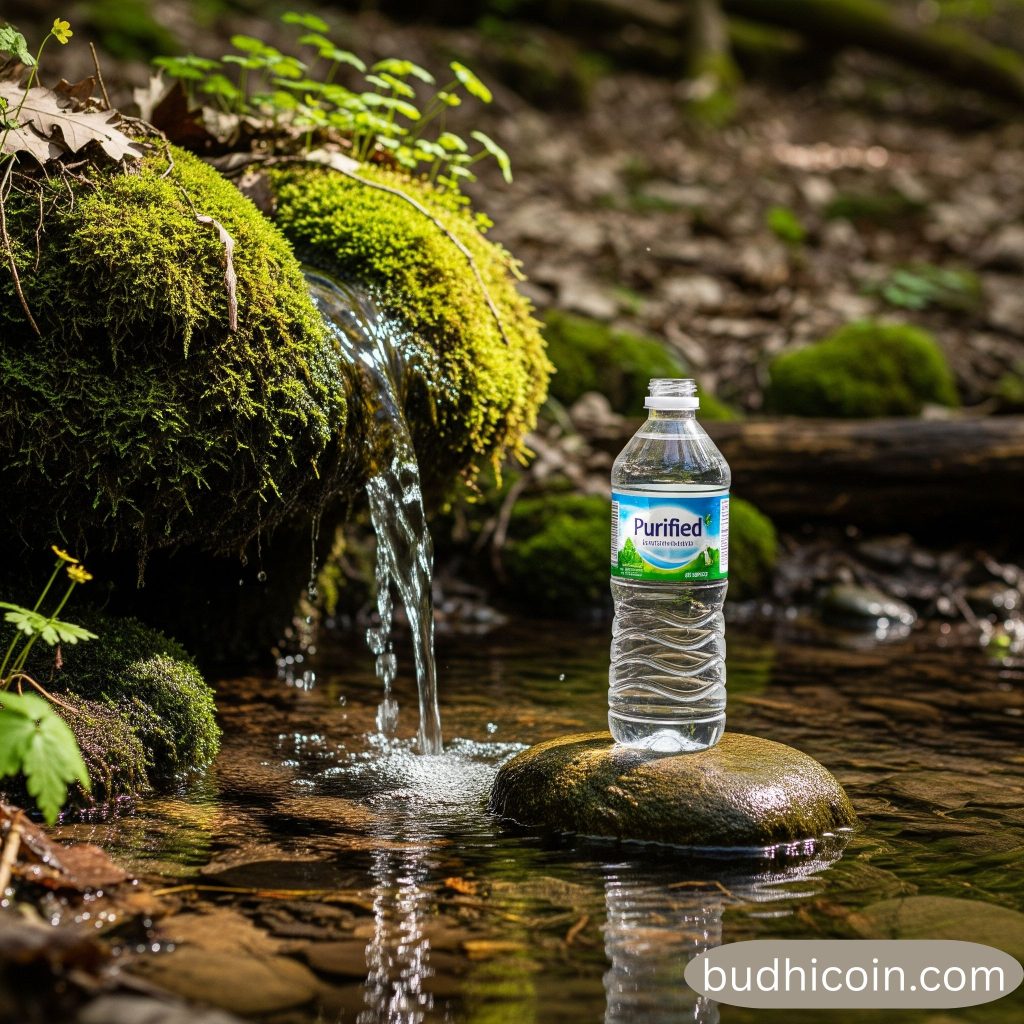
- Purified Water
- Spring Water
- You Might Also Like
- Taste, mouthfeel, and everyday drinking
- Minerals and electrolytes
- Safety, standards, and testing
- Source story & transparency
- Performance for coffee, tea, and brewing
- Cooking, baby formula, and pets
- Home Filtration vs. Bottled
- Sustainability & packaging
- Label reading cheat-sheet
- Price & availability throughout the U.S.
- Which is "better"?
- Fast advantages and disadvantages
- Short-tail vs. long-tail
- Short-tail (high volume, challenging)
- Long-tail (softer wins, intent-rich)
- Buying guides
- FAQ
- Is purified water just tap water?
- Is spring water always healthier for you?
- And what about distilled water?
- Which is better for daily use: purified water or spring water?
- Is bottled purified water more expensive than spring water?
- What is the main difference between purified and spring water?
- Which tastes better: purified or spring water?
- Does purified water have minerals like spring water?
- Conclusion
Purified Water
Any water (usually municipal) pickled to a quantified purity level—most often through reverse osmosis (RO), distillation, deionization, or carbon filtration. The handling discharges softened solids, microbes, and most chemicals; minerals can be stripped and, in some cases, replaced.
Spring Water
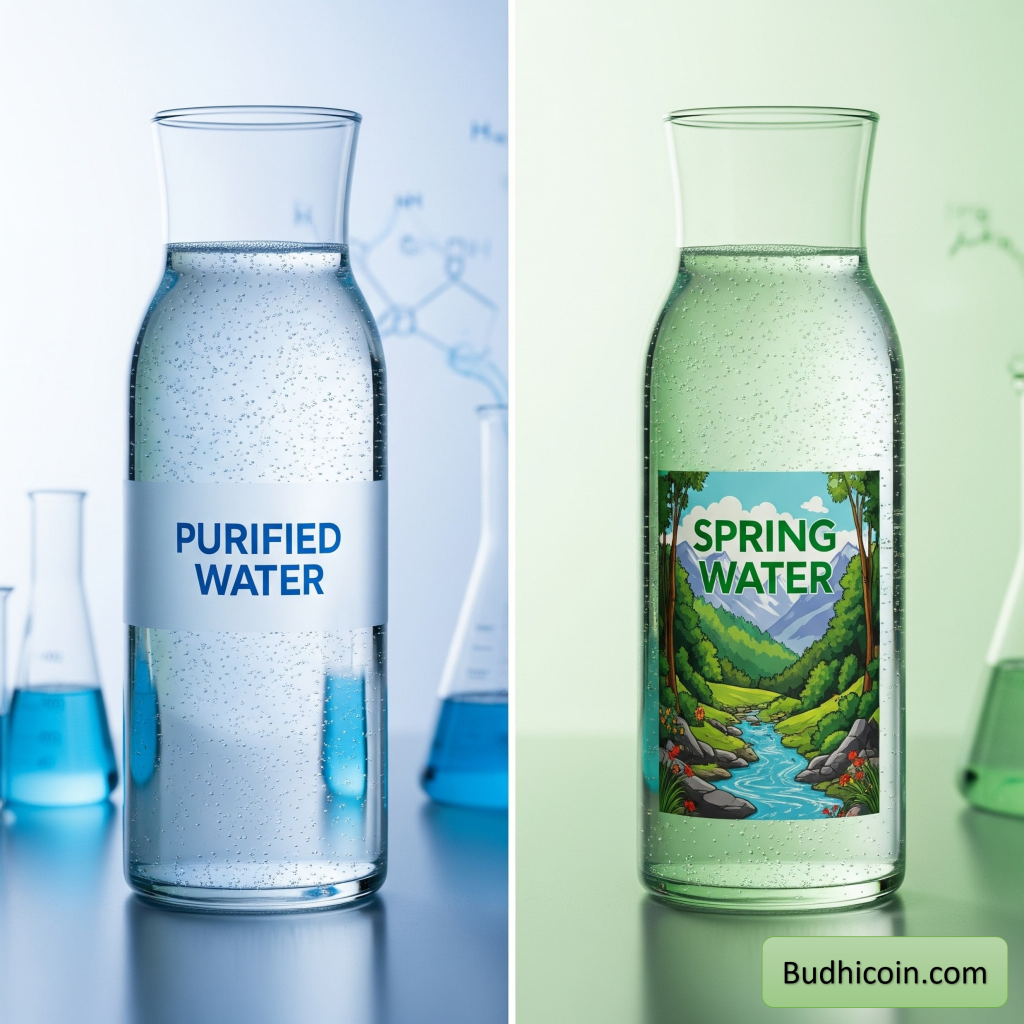
The difference between purified and spring water lies in their origin and processing. Purified water usually comes from municipal sources and is processed through reverse osmosis (RO), distillation, deionization, or carbon filtration to remove solids, microbes, and chemicals, with minerals sometimes added back. On the other hand, spring water is naturally sourced from underground reservoirs that flow to the surface or are tapped through sanitary systems, and it contains natural minerals from rocks and soil.
You Might Also Like
Top 10 Reasons to Be Excited for The Batman Part 2
5 Reasons Business Insurance is Best Approach for Company
10 Best Online Jobs For Teens In USA 2025
Taste, mouthfeel, and everyday drinking
If you consume water mindlessly, you still perceive Difference between purified and spring water in taste and mouthfeel:
Purified tends to taste “clean” or neutral due to extremely low mineral content. Consumers label it “flat” if they are accustomed to mineral-rich formulations.
Spring tends to taste brighter or slightly sweet/salty depending on levels of calcium, magnesium, bicarbonate, potassium, and sodium. That minerality can increase perceived refreshment.
Your preference for taste is an important motivator in the Difference between purified and spring water.
Minerals and electrolytes
A second significant Difference between purified and spring water is the electrolyte profile
Spring water frequently embraces natural electrolytes (e.g., calcium, magnesium, potassium). They are small quantities compared to daily requirements, yet they can be significant to taste and may supplement overall consumption.
Purified water usually has close-to-zero total dissolved solids (TDS). Some products introduce a little mineral for flavor stability. Presence of electrolytes—minute but perceptible—formats the Difference between purified and spring water.
Safety, standards, and testing
Labels and third-party analysis make the Difference between purified and spring water clear for safety-conscious consumers.
Source story & transparency
Spring brands promote provenance—Appalachian foothills, Rocky Mountain aquifers, etc.—and print mineral analyses.
Purified brands emphasize multi-step purification and strict controls, occasionally even including QR codes that reference laboratory results.
Provenance vs. process is a brand storytelling Difference between purified and spring water.
Performance for coffee, tea, and brewing
Coffee/Tea:
Moderate mineral content extracts flavor more evenly. RO water can under-extract unless demineralized (a pinch of bicarbonate or a drop-in mineral packet).
Kettles/Espresso:
Very hard spring water can induce scale; ultra-soft purified water minimizes scale but perhaps tastes thin. OPT for balanced TDS. Tuning TDS is a useful for hobbyists
Cooking, baby formula, and pets
Cooking & soups:
Mineral-laden spring water can add subtle flavor; purified is neutral and consistent.
Baby formula:
Some pediatricians certification the use of properly frozen tap or bottled water; some parentages use purified (some boiled if recommended). Always follow your pediatrician’s recommendation.
Pets:
Most pets are fine with tap; finicky pets might appreciate regular purified water.
Consistency vs. character appears in the Variance between purified and spring water here, as well.
Home Filtration vs. Bottled
What to purchase usually comes down to the Difference between purified and spring water traded off against convenience:
Home RO systems:
Provide purified water in your sink; demineralize if you prefer flavor.
Pitcher filters:
Enhance taste and odor; different from full purification.
Bottled spring:
Invests in source and logistics; select brands with open testing.
Cost, sustainability, and taste all play into the Difference between purified and spring water.
Sustainability & packaging
Environmental impact is a key Difference between purified and spring water.
Transportation: Spring water tends to come from rural origins to cities; purified bottled water can be made closer to market from municipal sources.
Packaging:
Aluminum cans and recycled PET are increasing. Refillable ones are optimal
Home systems:
Minimize single-use packages but focus waste streams (RO brine).Life cycle decisions magnify the Difference between purified and spring water at scale.
Label reading cheat-sheet
A consumer-friendly Difference between purified and spring water checklist:
Source:
“Municipal” or “public source” suggests purified; “spring” indicates a geographic source.
Treatment:
Check for RO, UV, Ozonolysis (purified) vs. “micro-filtered” (spring).
TDS:
Below ~50 mg/L tastes highly neutral (purified); 100–400 mg/L has a more mineral feel (spring).
Report:
Check for QR or website with lab analysis and bottling date.Quickly label literacy solidifies the Difference between purified and spring water.
Price & availability throughout the U.S.
From Walmart to Whole Foods, the Difference between purified and spring water in shelf space:
Private labels purified are everywhere and cheap.
Spring brands are more expensive because of scarce origins and transportatioBudget or source is a common Difference between purified and spring water.
Which is “better”?
The realistic Variance between purified and spring water neither is always better.
Select sanitized if you desire ultra-consistent flavor, are delicate to local water taste, or require very low inanimate content (e.g., for appliances).Select spring if you like natural minerality and appreciate regional sourcing with published analysis.
Use case and personal preference determine the Difference between purified and spring water for you.
Fast advantages and disadvantages
Purified water (premises) neutral flavor, widely available, usually cheapest; high contaminant minimization. Purified water (cons) might taste dull; almost-zero minerals unless supplemented back.
Spring water (pros) natural flavor and minerals; terroir/narrative.
Spring water (cons) might be more expensive; mineral content is not consistent by brand.
Short-tail vs. long-tail
Short-tail (high volume, challenging)
“spring water”
“purified water”
“bottled water brands”
Long-tail (softer wins, intent-rich)
“best water for coffee at home”
“is spring water safe in the USA”
“RO vs spring water for baby formula”
“TDS for espresso machine water”
“how to demineralize RO water naturally”
Targeting long-tail searches is how we convert the Difference between purified and spring water into traffic.
Branded vs. non-branded
Non-branded:
“Alteration among purified and spring water” (main), “spring vs purified taste,” “what is TDS in water.”
Branded:
“[Brand] water TDS,” “[Brand] water source,” “[Brand] water safety report.” Balancing both facilitates authority regarding the Difference between purified and spring water.
LSI/related semantically related keywords
Converse osmosis (RO), ozonation, UV disinfection, deionization
Total dissolved solids (TDS), mineral content, electrolytes
Tater quality report, FDA standards, EPA tap water
Demineralized water, hardness, alkalinity, pH
Sustainability, recycled PET, aluminum can water
Sprinkling these enables search engines to put the Difference between purified and spring water into context.
Content outline for internal linking (site architecture suggestion)
Buying guides
“Best spring water brands for taste”
“Best purified water for baby formula”
“Water for drip coffee vs. espresso”
These clusters support the Difference between purified and spring water throughout your site.
How-to content
“How to demineralize RO water”
“Read a bottled water label: A U.S. guide”
Tutorials ground the Difference between purified and spring water for people who require steps.
FAQ
Is purified water just tap water?
Sometimes. Most U.S. purified waters begin with municipal sources, and then go through multi-step purification. That subtlety is at the heart of the Difference between purified and spring water.
Is spring water always healthier for you?
Not necessarily. It might contain nice minerals, but both spring and purified can be great if they pass standards. That’s the truthful Difference between purified and spring water.
And what about distilled water?
Distilled is a type of purified water with virtually no minerals; some find it too flat for daily drinking. For many households, that’s a practical Difference between purified and spring water.
Which is better for daily use: purified water or spring water?
For areas with poor water quality, purified water is safer. If you prefer natural hydration with added minerals, spring water may be the better option.
Is bottled purified water more expensive than spring water?
Prices vary by brand, but spring water is often marketed as “premium” due to its natural source, while purified water can be slightly cheaper in some cases.
What is the main difference between purified and spring water?
Purified water is treated to remove impurities, chemicals, and contaminants through processes like reverse osmosis or distillation. Spring water, on the other hand, comes from natural underground sources and is filtered through rocks, retaining essential minerals.
Which tastes better: purified or spring water?
Taste varies. Purified water has a very neutral, clean taste because it’s stripped of minerals. Spring water usually has a fresher, slightly mineral-rich taste due to its natural content.
Does purified water have minerals like spring water?
Not always. The purification process often removes minerals along with contaminants. Some brands add minerals back for taste and health benefits, but natural spring water retains its original mineral content.U.S. shopper cheat-codes
Conclusion
if your primary goal is to drink water with the highest level of purity and consistency, free from any minerals or additives, then purified water is the ideal choice. If you prefer a more natural product with a unique taste and the added benefit of naturally occurring minerals, then spring water is the better option. Both are safe and hydrating, but they offer fundamentally different experiences due to their source and the extent of their processing.
