Table of Contents
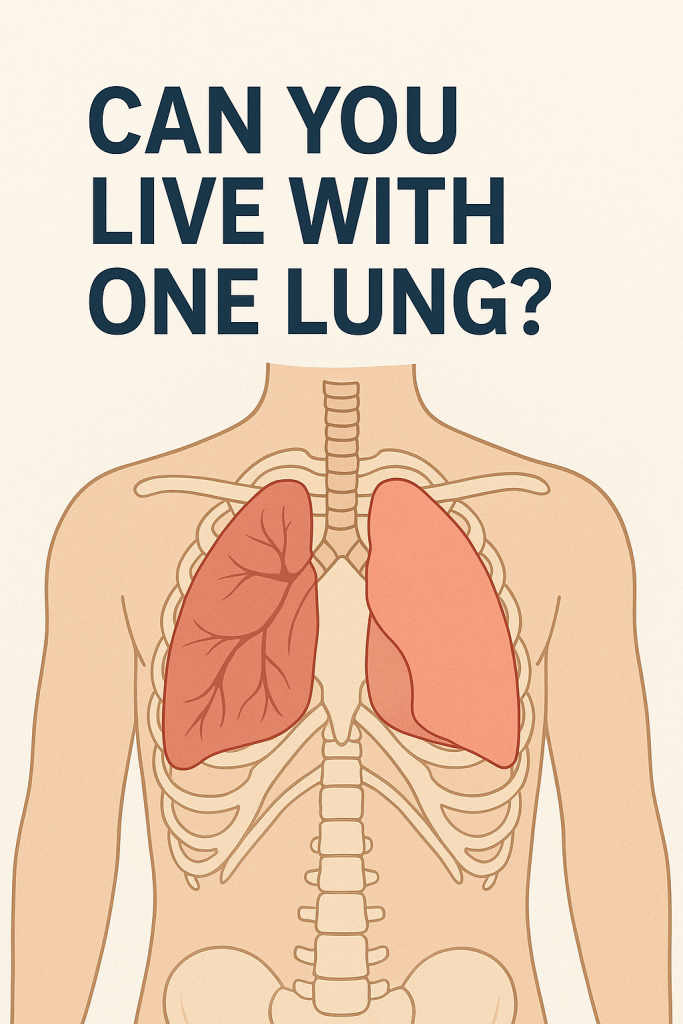
Being left with only one lung is a main physiological modification, tending to get up all sorts of concerns concerning quality of life, respiratory capacity, and general well-being. The simple reply to the query, can you live with one lung?, is that yes, the majority of patients do cope well with a suitable quality of life next a pulmonary resection, i.e., surgical deduction of a lung.
But the path and level of alteration are extremely unpredictable based on a host of issues, such as why one is having the surgery, one’s in general health, and commitment to rehabilitation and lifestyle adjustment.
Motivations for Lung Removal
The need for the removal of a lung, either partially (wedge resection or lobectomy) or entirely (pneumonectomy), is generally due to serious medical illnesses. These form the context of the rest of the discussion of living on one lung.Still there is a question if can you live with one lung
Lung Cancer
Lung cancer is still the most frequent indication for pulmonary resection. Provided that the cancer is localized to one lung and has not extended to other tissues, surgery is the most effective opportunity for long-term survival. Various types and stages of lung cancer may require removal of a segment or an entire lung and live with one lung
Chronic Obstructive Pulmonary Disease (COPD)
In harsh focal emphysema or another COPD, where an remote area of lung is severely spoiled and difficult by severe complications, surgical resection may be an final measure to improve overall lung function.
Tuberculosis (TB) and Other Infections
Severe localized infection of the lung, e.g., drug-resistant tuberculosis or fungal infection with ensuing irreversible scarring of a portion of the lung, would necessitate surgery in an attempt to prevent spread of infection and chronic relief of symptoms.
Benign Tumors and Cysts
Gigantic, benign lung cysts or tumors that cause gross symptoms such as shortness of breath, chronic infection, or bleeding may require surgical excision possibly at the cost of an entire lung in extreme instances.
Trauma
Severe trauma of the chest that destroys one lung to the point where it is beyond salvaging with gross hemorrhage or failure to function may have to be surgically removed to salvage the patient’s life.
Bronchiectasis
Localized bronchiectasis, a disease of widened and destroyed airways with secondary chronic infection, is managed by surgical resection if other treatment fails and the disease is localized to one area.
The Immediate Physiological Effects of Lung Removal
After pulmonary resection, the body is exposed to immediate physiological alterations. The remaining lung must compensate for the deficit. Patients will generally experience:
Pain: Post-operative incisional pain is managed with medications.
Shortness of Breath: Breathlessness is to be expected in the early period as the body adapts to the decreased lung volume.
Fatigue: The surgery and convalescence cause significant fatigue.
Decreased Exercise Tolerance: Physical activity will be restricted during the early convalescence.
Hospitalization is characterized by concentrated observation of the essential parameters, pain control, respiratory therapy, and early recruitment to avoid complications like pneumonia or pulmonary embolism. Respiratory therapists have an significant role in educating the patient about inhalation exercises and drills in order to maximize the competence of the single functional lung.
Long-Term Adaptation and Living with a Single Lung
The human body has very good compensatory mechanisms. Over time, patients who have undergone a lung resection are typically vastly better with their breathing and the functional capacity overall. Several mechanisms are at fault for this adaptation:
The Capacity of the Remaining Lung
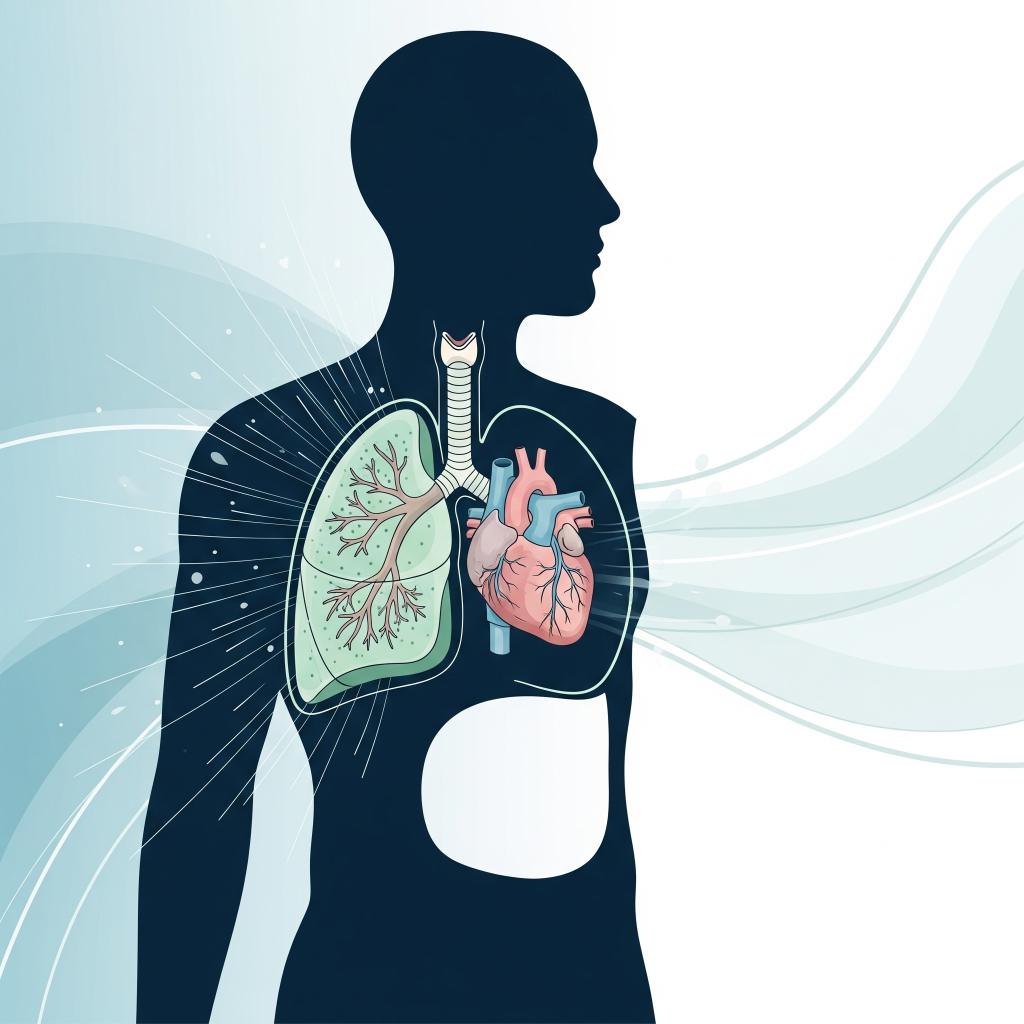
The solitary remaining lung gradually increases in size and is better adapted at oxygenating the blood. The diaphragm and the muscles of the chest wall also undergo alteration to optimize breathing mechanics.
Lifestyle Changes
One-lung patients must adopt a healthy routine of the utmost importance. This includes:
Smoking Abstinence: Absolutely necessary if the patient is a smoker, as further smoking will greatly impair the operation of the sole lung.
Regular Exercise: Pulmonary rehabilitation programs and regular proper exercise are responsible for strengthening respiratory muscles and overall cardiovascular status, resulting in overall endurance and shortness of breath reduction.
Balanced Diet: Having a balanced diet supplies the repair and optimal lung function needed from the energy and nutrients.
Avoiding Irritants: Reducing air pollutant, allergen, and respiratory irritant exposure is necessary in an attempt to avoid inducing breathing difficulties.
Pulmonary Rehabilitation
Pulmonary rehabilitation is a formal plan designed to improve the quality of life of patients with chronic respiratory disease, including those who have been existing on one lung. It usually consists of:
Exercise Training: Individualized supervised exercise training to enhance endurance and diminish breathlessness.
Breathing Techniques: Efficient breathing and energy conservation techniques.
Education: Education in lung health, tablets, and coping.
Psychological Support: Anxiety and sadness, which are often linked with chronic respiratory disease, are addressed.
Potential Long-Term Challenges of can you live with one lung
Most people change to living well with one lung, but some will practice constant challenges:
Persistent Shortness of Breath: Predominantly with exertion.
Reduced Tolerance to Exercise: In evaluation with citizens who have two healthy lungs.
Increased vulnerability to Respiratory Infections: Pneumonia or bronchitis can be more marked.
Pulmonary Hypertension: Elevated force in the lung arteries that may guide to overworking of the only functioning lung.
Ongoing follow-up with a pulmonologist is compulsory to keep observation of lung function, difficulty management, and adjustment of treatment regimens as required.
Can a lung regenerate?
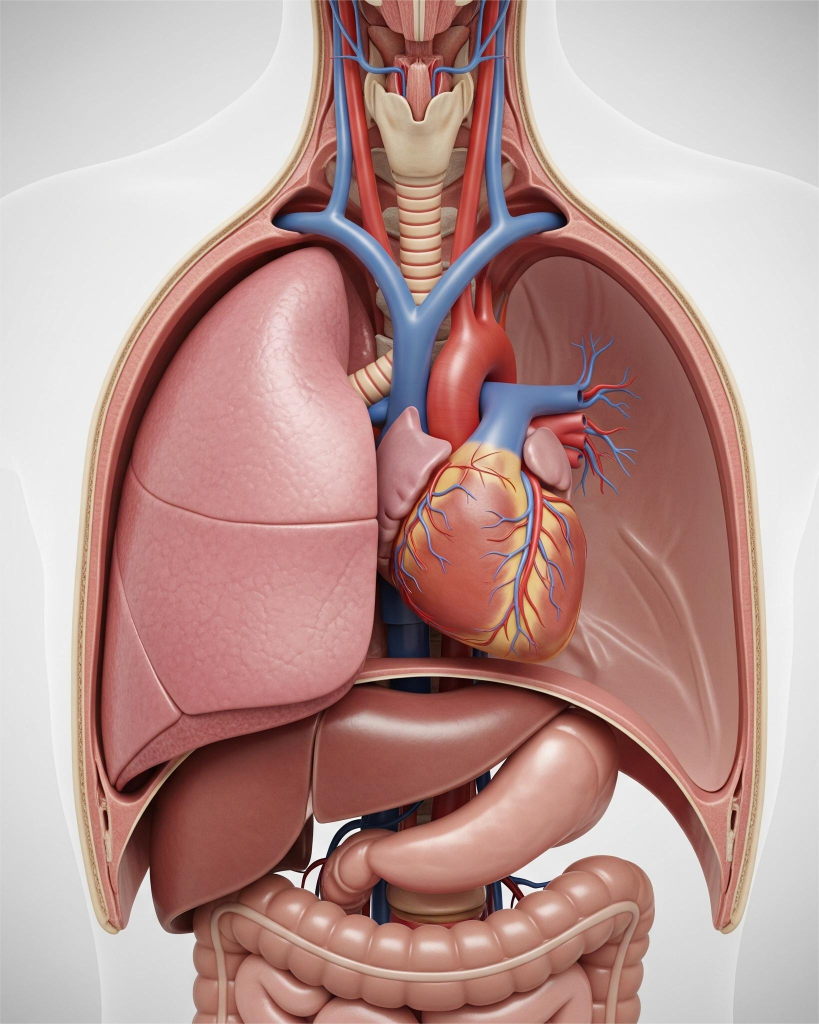
No, your lung will not regrow or regenerate if it’s completely removed. But the other parts of your body will shift around and expand into the space where your other lung was. This is quite normal and just your body adjusting after a pneumonectomy.Can you live with one lung is still a question.
Living with one lung is incredibly rare but staying healthy while living with two lungs is really an important part of well-wellness. To keep your lungs healthy, follow advice not to smoke, participate in physical exercise regularly, and get all recommended checkups and screenings by your doctor.
Quality of Life with One Lung
Quality of life for one person can significantly differ. Some will regain almost normal function, while others will have limitations, especially with over-activity. The following variables affect quality of life:
Underlying Medical state: Why the lung was taken out may decide long-term health and wellbeing.
General Health Status: Pre-existing situation such as heart disease or diabetes may make problems recovery and adjustment.
Age: The young are expected to recover better compared to the aged.
Psychological Adjustment: Psychological change to emotional and psychological things of surgery and misused body capability is vital.
Social Support: A strong sustain group from family members and friends can extensively contribute to wellness.
Most of those with one lung have normal, active, and productive lives, working, being social, and enjoying hobbies. They may, however, have to modify their activity and ease up so they do not get overbreathless.
Treatment
Treatment depends on whether a person is affected by active or latent tuberculosis (TB).
If the person is identified as “latent TB,” the doctor will work to help the person obtain preventive therapy. Presumably, this will involve an antibiotic called isoniazid most commonly for 6 months or 9 months daily.
Inouye explains that people diagnosed with active TB will typically get prescribed a combination of antibiotics for at least 6 to 12 months. First-line treatment options include isoniazid (INH), rifampin (RIF), ethambutol (EMB), and pyrazinamide (PZA).
Some people with active TB will only spend a short time in the hospital, while others will receive treatment at home.
After a few weeks of treatment, most people with active TB feel better and can no longer transmit TB to others.
It is important that the entire course of treatment is taken for the prescribed duration exactly as ordered so that metabolic or drug resistant TB does not recur or become resistant. Drug-resistant TB is more difficult to treat, and, importantly, can pose a danger to the person who passes it onto others and live with one lung
The Role of Early Prevention and Detection
Can you live with one lung Even though you may be able to survive with one lung?, the best means of living well and keeping the lungs healthy is through early detection and prevention of lung disease. It includes:
Not Smoking Tobacco: The single mainly effective way to stop lung cancer and COPD.
Defending Yourself from Environmental Hazards: Preventing experience to air pollution, radon, and office hazards.
Vaccination: Having a yearly flu shot and pneumococcal vaccine will stop respiratory infection.
Early Detection of Lung Cancer: In the case of the high-risk person, early detection by screening with low-dose CT scans will guide to improved survival.
Conclusion
Can You Live With One Lung Life After Losing a Lung Finally, much as it is a main physiological change to live with one lung, life can certainly be good and active. The ability of the body to compensate, coupled with lifestyle adjustments actively made, pulmonary rehabilitation, and regular medical treatment, is important in adaptation. Such patients who have received a pulmonary resection due to disease such as lung cancer, COPD, or any other disease of the lungs can be capable of enjoying good quality life, though usually with some change in their level of physical activity.
Can You Live With One Lung Knowing why the lungs were removed, how to adapt, and the necessity of follow-up care gives such insight into the unilung way of life. Even though the trip is not pleasant, the power of the human body and advances in medical action offer hope and assure for most individuals undergoing this life-changing surgery. The answer to can you live with one lung? is a loud yes, supported by the success stories of many patients who have managed to live with this fact.
Faq of can you live with one lung
Q1: Can You Live With One Lung, What Will My Quality of Life Be?
A: Yes, most patients Can You Live With One Lung and have an active fulfilling quality of life. The remaining lung compensates, expands and allows you to return to normal activities, with some modification.
Q2: What about exercise, is that a part of a life where can you live with one lung?
A: Exercise is a vital element to consider and highly suggested! You may feel short of breath with vigorous activity, but a person who learns how to Can You Live With One Lung can still be a physically active individual successfully partaking in exercise such as walking, cycling, swimming etc., with proper guidance.
Q3: Does having one lung decrease your life expectancy?
A: Not necessarily. Your life expectancy when you can you live with one lung is determined by the original condition that started this journey for you– the original reason for the surgery ie stage of lung cancer, as is the case for many of our patients, or may be due to some other underlining health condition, rather than being without a lung!
Q4: Can You Live With Only One Lung and not have to be in the health facility all the time?
A: Yes, you do! Regular check-ups are important – but once a person has been through the surgery and has healed, they’re likely not going to need the health facility nearly as centralized to their life as before. Part of maintaining your health is led by self-management and health choice, but also learning Can You Live With One Lung; and living healthy is the most important part of the experience.
Q5: What are the primary risks when you Can You Live With One Lung?
A: The two primary risks are less exercise tolerance and increased susceptibility for respiratory infections. You will want to learn how to manage being a breath and you will want to avoid any respiratory irritants, and, therefore if you’re learning how to Can You Live With One Lung, you’ll do well enough and be healthy!
You can also read
Nutritional Value of Chicken Wings Per 100 g
Can You Donate Blood If You Smoke
Best way to know what is the strongest antibotic for tooth infection in 2025
Best way to know how long does wisdom teeth removal take in 2025
